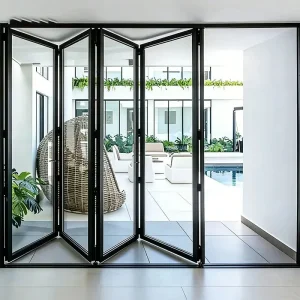
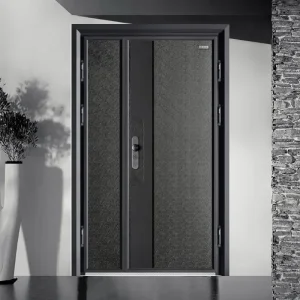
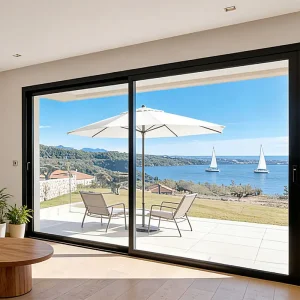
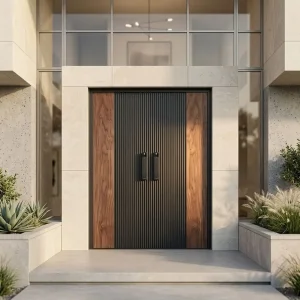
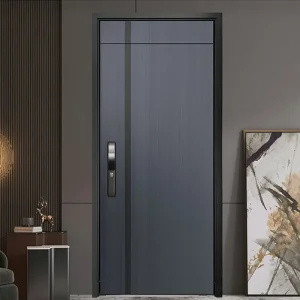
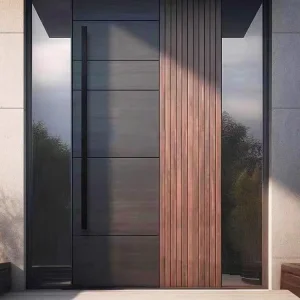
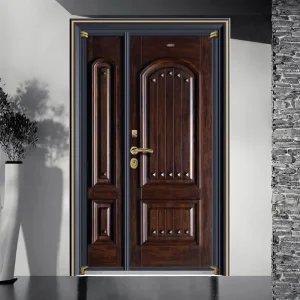
In contemporary coastal architecture, the main entrance is no longer merely an aesthetic signature; it is the building’s primary structural defense against severe atmospheric events. As tropical cyclones, typhoons, and super-hurricanes increase in intensity globally, building codes across North America, the Caribbean, Southeast Asia, and coastal Australia have evolved into strict engineering mandates. Procurement directors, real estate developers, and architectural firms are increasingly partnering with specialized China hurricane resistant front door manufacturers and factories to deliver custom structural fenestration systems that seamlessly merge high-end design with uncompromising envelope protection.
Modern impact-rated front doors must withstand multi-directional kinetic forces, extreme cyclical pressure loading (DP ratings), and heavy missile impacts (such as 9-lb 2x4 timber projectiles fired at 50 ft/s). Achieving these performance criteria while maintaining slim architectural profiles, thermal efficiency, and smooth mechanical articulation requires advanced alloy extrusion engineering, multi-layer structural glass lamination, and heavy-duty stainless steel core reinforcements. China's premier door manufacturing ecosystem—centered in Foshan, Guangdong—has emerged as the world's leading hub for custom structural entrance doors engineered to pass international building standards including Florida Building Code (FBC), High Velocity Hurricane Zone (HVHZ) requirements, Miami-Dade NOA protocols, and Australian AS2047 testing.
To understand why leading commercial and residential builders source custom front doors from top-tier Chinese factories, one must analyze the rigorous physical testing standards governed by international building codes. A certified hurricane-resistant entrance door is tested as a complete structural assembly: frame, door leaf, glass pack, threshold, multi-point lock mechanism, and heavy-duty hinges.
Structural door leaves undergo the Large Missile Impact test where a 9-pound 2x4 wood stud is launched at 34 mph (50 ft/s) directly into critical impact zones—including glass centers, corner seams, and lock latches. The door frame and glass interlayer must maintain envelope integrity without tearing or delaminating.
Following kinetic impact, doors are subjected to 9,000 cycles of positive and negative air pressure differentials (up to ±100 PSF). This simulates the turbulent, sustained suction and push forces experienced in Category 5 hurricanes (wind speeds exceeding 165 mph).
Standard tempered glass shatters under storm impacts. Impact-rated doors utilize Kuraray SentryGlas® (SGP) ionoplast interlayers sandwiched between heavy float glass panels. SGP is 5 times tougher and 100 times stiffer than conventional PVB, maintaining structural barrier status even if glass cracks.
| Door Material Category | Structural Profile Alloy | Impact Interlayer Spec | Design Pressure (DP) | Water Infiltration Resistance | Target Regulatory Codes |
|---|---|---|---|---|---|
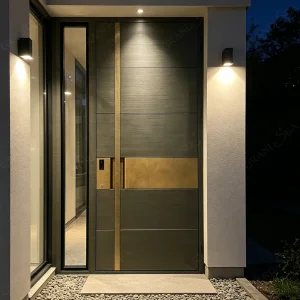
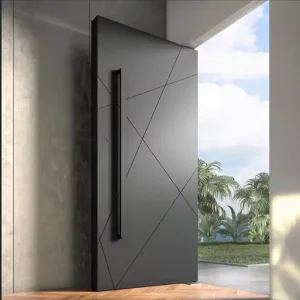
| Thermally Broken Aluminum Pivot | 6063-T5 / T6 High-Tensile Aluminum (3.0mm Wall Thickness) | 1.52mm / 2.28mm SentryGlas® (SGP) Laminated Double Low-E | ±75 to ±100 PSF | 15 PSF (720 Pa) Submerged Sill System | Florida HVHZ, Miami-Dade NOA, AS2047 N6 |
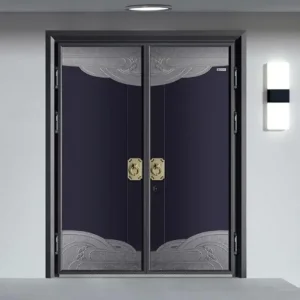
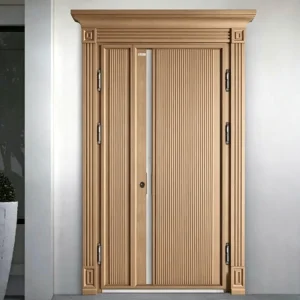
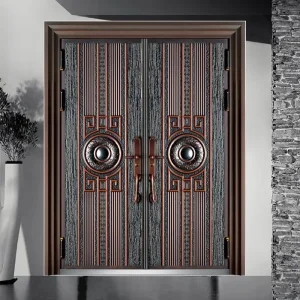
| Heavy Cast Aluminum Main Gate | Sand-Cast A356 Architectural Grade Alloy Panel (6mm - 12mm) | Solid Structural Panel / Optional Shatterproof Laminated Glazing | ±85 PSF | Integrated Triple-EPDM Compression Gaskets | CE EN 14351-1, ASTM E330, ISO 9001 |
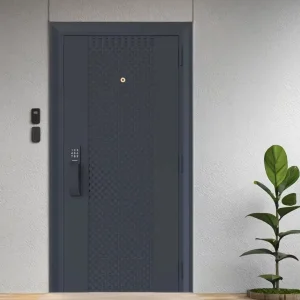
| Armored Stainless Steel Security Front | SUS304 / SUS316 Stainless Steel Skin over Zinc-Coated Steel Rib Core | Bullet-Resistant Glass (UL 752 Level 3+) / High-Impact SGP | ±110 PSF | Multi-Point Pneumatic Auto-Sealing Threshold | UL Fire-Rated, Anti-Burglary Class RC4, Miami-Dade Compliant |
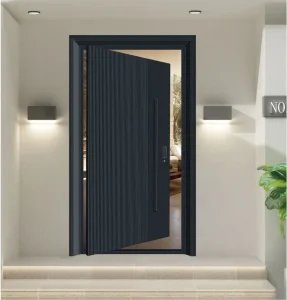
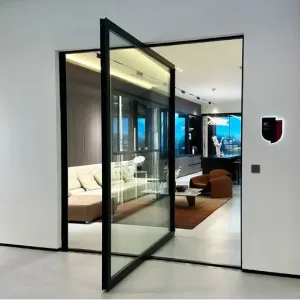
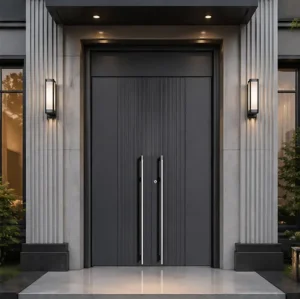
| Minimalist Architectural Glass Pivot | Reinforced Internal Steel Skeleton + Ultra-Slim Aluminum Trim | 10mm Tempered + 1.52 SGP + 10mm Tempered Insulated Glass | ±65 to ±80 PSF | Precision Concealed Drainage Track & Brush Seals | AS2047, European CE Mark, NFRC Certified Thermal U-Factor |
Global buyers frequently ask why premium hurricane-resistant front doors manufactured in Foshan, China offer superior value compared to Western counterparts without compromising performance. The answer lies in the massive scale of industrial integration, rapid technological adoption, and localized raw material clustering.
Leading factories operate 180,000 m² facilities encompassing aluminum profile billet extrusion, vertical powder coating, anodizing, PVDF fluorocarbon spraying, CNC machining, glass lamination, and final pre-assembly under a single quality control system.
Using automated 5-axis German CNC milling equipment, door frames and heavy pivot hardware mortises are machined to tolerances within ±0.1mm. This extreme precision eliminates structural air leaks and guarantees smooth pivot rotation for doors weighing up to 600 kg.
By controlling raw material sourcing and eliminating secondary supply chain markups, Chinese manufacturers offer bespoke architectural doors—including oversized 2000mm x 4000mm pivot systems—at 40% to 60% lower costs than European or American custom door fabricators.
One of the greatest hurdles for overseas contractors and real estate developers is ensuring that imported door products fulfill local building codes and successfully pass municipal inspections. Premier Chinese manufacturers bridge this gap by offering comprehensive engineering support services tailored to target export markets.
Prior to manufacturing, engineering teams issue complete CAD shop drawings, anchoring calculation packages, structural wind-load simulations, and BIM 3D models. Optional Professional Engineer (PE) stamping is available for US coastal jurisdictions.
Impact-rated doors compliant with TAS 201/203 allow property owners to qualify for significant windstorm insurance premium discounts in hurricane zones. Furthermore, NFRC certified thermal breaks ensure compliance with Title 24 and IECC energy conservation codes.
Doors are individually wrapped in protective anti-scratch films, corner-guarded with high-density EPE foam, sealed in five-layer corrugated boxes, and secured inside fumigation-free plywood crates. Freight transit failure rates remain under 0.2% globally.
Procuring structural entry doors for multi-villa residential projects, coastal hotel developments, or commercial high-rises requires a systematic vendor evaluation process. Below is the procurement workflow utilized by international contractors partnering with Chinese factories:
Contractors submit door schedules, structural elevation drawings, wind-load DP requirements, and preferred surface finishes (wood grain, anodized matte black, copper patina, or PVDF coatings).
Factory engineers produce detailed 1:1 section drawings, hardware placement schedules, sub-frame anchorage details, and water drainage paths for client architectural stamping.
For large-scale commercial orders, a full-size prototype door leaf is fabricated and subjected to mock-up testing (air infiltration, static water pressure, and cyclic movement) before mass extrusion.
Factory-direct container shipping with dedicated loading layouts. Detailed installation manuals, anchor torque specs, and remote video guidance ensure flawless job site assembly.
The structural door manufacturing industry is undergoing rapid technological innovation. Modern hurricane-resistant front doors are no longer bulky or industrial in appearance; they represent the pinnacle of minimalist architecture integrated with advanced digital security and thermal science.
Integration of concealed 3D facial recognition, biometric fingerprint scanners, and motor-driven multi-point steel locking bolts that automatically engage high-security frame receivers upon closing.
Advanced Polyamide (PA66GF25) thermal barrier strips embedded inside heavy aluminum profiles allow oversized 4-meter-tall pivot doors to achieve U-factors below 0.30 BTU/h·ft²·°F while standing firm against hurricane winds.
Combination of SentryGlas® impact interlayers with dynamic switchable privacy glass, allowing front entry doors to switch from crystal clear to opaque instantly via smart home controls or mobile apps.
Deploying HVHZ-compliant oversized pivot entry doors with severe salt-spray resistant PVDF fluorocarbon coatings to prevent coastal corrosion in Miami, Palm Beach, and Naples residences.
Installing heavy cast-aluminum security entry gates and wide-opening impact glass doors capable of withstanding Category 5 hurricane surges, humidity, and tropical heat.
Equipping coastal high-rises and luxury villas in Hong Kong, the Philippines, and Vietnam with AS2047 / CE certified windstorm doors tested against super-typhoon gusts.