Explore our certified armored, bulletproof, cast aluminum, and structural glass entrance configurations engineered for luxury villas, commercial lobbies, and high-risk security perimeters.
A definitive guide for security consultants, project architects, and global procurement directors sourcing ballistic security doors from certified Chinese OEM manufacturers.
In contemporary architectural security engineering, the traditional boundary between high-security defense barriers and luxury aesthetic design has dissolved. Modern commercial complexes, diplomatic residences, financial institutions, and high-end residential estates demand entry systems capable of resisting violent forced entry, armor-piercing projectile kinetic strikes, and blast pressure loads without sacrificing thermal insulation, acoustic isolation, or visual grandeur.
Sourcing a true bulletproof security door requires moving beyond simple anti-theft marketing claims to evaluate the fundamental physics of physical defense. A bulletproof door assembly is not merely a heavy steel plate; it is a unified, precision-engineered system comprising ballistic-grade steel armor plates (such as AR500, Hardox 500, or ultra-high-strength manganese steel alloys), composite kinetic-energy dampening layers (Kevlar/aramid fiber and ceramic tiles), heavy-duty load-bearing pivot hinges, multi-point motorized locking mechanisms, and certified ballistic glass vision lites.
Core Engineering Fact: Ballistic performance is certified as a complete physical assembly (leaf, sub-frame, anchoring bolts, lock set, and structural glazing). A door frame rated lower than its leaf panel compromises the security envelope of the entire opening under kinetic assault.
How the Foshan manufacturing hub combines advanced metallurgy, automated robotic fabrication, and structural engineering to deliver superior value for global enterprise buyers.
China's Guangdong manufacturing hub integrates direct mill supply of quenched and tempered ballistic steels (AR400/AR500/AR600) with precision laser cutting and automated robotic welding, enabling ultra-precise tolerance control within ±0.5 mm on oversized heavy door leaves.
Unlike standard off-the-shelf security door manufacturers in Western markets, Chinese suppliers excel at custom surface treatments—combining internal armored steel cores with exterior cast aluminum reliefs, natural wood veneers, or PVDF-coated architectural aluminum panels.
Top-tier Chinese security door exporters operate under ISO 9001 certified quality management systems and validate physical performance through international standards, including UL 752 (USA), EN 1063 / EN 1522/1523 (Europe), and VPAM (Germany).
By controlling the complete supply chain from raw aluminum extrusions and raw steel plates to final CNC milling, powder coating, and pre-assembly testing, Chinese suppliers deliver a 30% to 50% cost advantage without compromising structural integrity.
An engineering breakdown of how bullet-resistant doors absorb kinetic energy, defeat high-velocity projectile threats, and prevent spalling during armed attacks.
When a high-velocity projectile strikes a bulletproof door, stopping the bullet is only half the engineering challenge; the door must also absorb the projectile's immense kinetic energy without structural shearing or producing fatal internal spalling (metal or glass fragments breaking off from the rear side and causing secondary harm).
To achieve this, high-spec bulletproof security doors utilize a sandwich-composite core structure:
Because a fully armored bulletproof door leaf can weigh between 250 kg and 800 kg depending on dimensions and threat level, traditional butt hinges are inadequate. Chinese engineering specialists integrate custom-manufactured heavy-duty floor pivot hinges equipped with stainless steel thrust ball bearings and adjustable hydraulic dampeners. These pivot assemblies distribute structural loads directly into the sub-floor slab, allowing an oversized 500 kg armored pivot door to be opened with less than 15 N of manual operating force.
Physical resistance against forced entry and explosive breaching requires distributed latching points around the perimeter of the door frame. High-security doors feature multi-point deadbolt systems with 4-way locking mechanisms (top, bottom, hinge-side, and latch-side) incorporating 20mm to 30mm solid stainless steel bolts. Advanced options include motorized electromechanical solenoids compatible with biometrics, RFID, access control networks, and emergency remote lock-down systems.
Reference guide for specifiers to match project risk assessments with international physical testing standards.
| Rating Standard | Threat Ammunition / Projectile | Bullet Mass & Velocity | Minimum Core Thickness | Typical Project Deployment |
|---|---|---|---|---|
| UL 752 Level 1 | 9mm Full Metal Jacket (FMJ RN) | 8.0 g @ 359 m/s (1,175 ft/s) | 4.0 mm Armor Steel Core | Luxury Residential Apartments, Commercial Offices |
| UL 752 Level 3 | .44 Magnum Lead Semi-Wadcutter Gas Checked | 15.6 g @ 430 m/s (1,410 ft/s) | 6.0 mm AR400 Armor Steel | Bank Teller Counters, VIP Private Entrance Gates |
| UL 752 Level 8 | 7.62mm Rifle (.308 Winchester FMJ) | 9.7 g @ 838 m/s (2,750 ft/s) | 8.5 mm AR500 Steel + Kevlar | Government Sub-Stations, Cash Handling Hubs |
| EN 1522 FB4 | .357 Magnum / 9mm FMJ (Multiple Rounds) | 10.2 g @ 430 m/s | 6.0 mm Structural Alloy Core | Diplomatic Consulates, High-End Jewelry Boutiques |
| EN 1522 FB6 | 5.56×45mm NATO (SS109) & 7.62×51mm NATO | 4.0 g / 9.5 g @ 950 m/s | 10.0 mm AR500 Armor Composite | Embassy Safe Rooms, Military Compounds, Panic Rooms |
| EN 1522 FB7 / UL Level 10 | 7.62×51mm NATO Armor Piercing (AP) / .50 BMG | 9.7 g @ 820 m/s (AP Core) | 14.0+ mm Hardox 500 Ceramic Matrix | Head of State Residences, High-Threat Defense Facilities |
Custom engineering configurations designed to solve specific security, acoustic, and environmental threats across global markets.
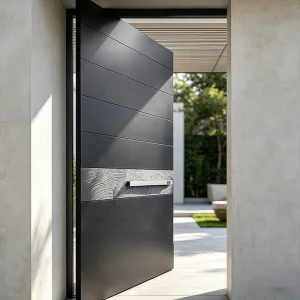
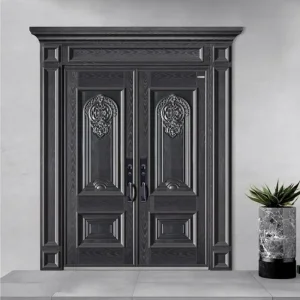
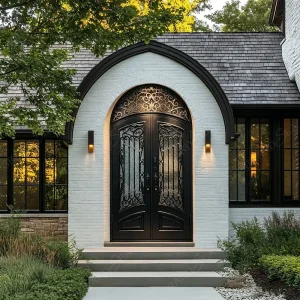
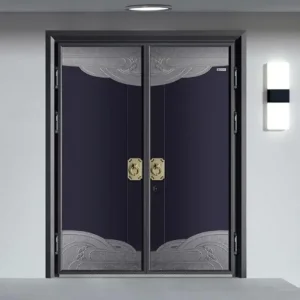
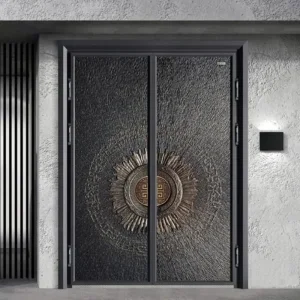
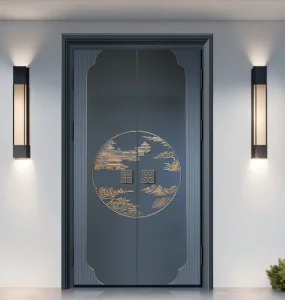
Design Intent: Combine architectural elegance with hidden security. Cast aluminum or wrought-iron exterior surfaces mask heavy AR500 steel interior cores, offering grand double-swing or oversized pivot entries with integrated biometric access and forced-entry deterrence.
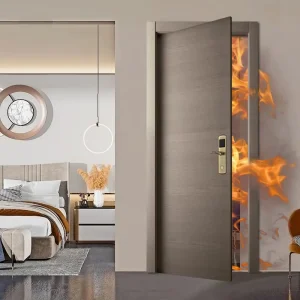
Design Intent: Maximum ballistic, blast, and intrusion resistance. Engineered to EN 1522 FB6/FB7 ratings with air-tight rubber seals, heavy-duty panic bar hardware, fire resistance up to 240 minutes, and blast-resistant vision panels.
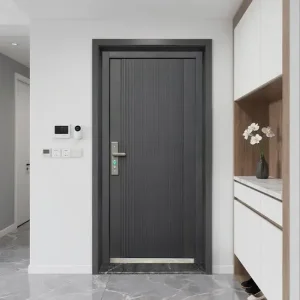
Design Intent: High-density physical security against mechanical cutting, thermal torch attack, and firearm projectiles. Features multi-bolt interlocking systems, dual key-lock setups, and integration with central facility monitoring systems.
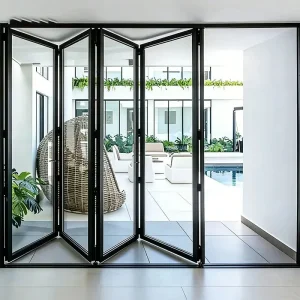
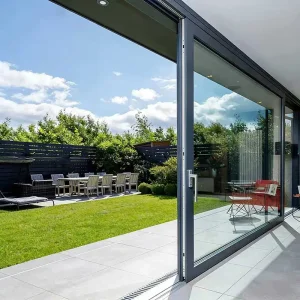
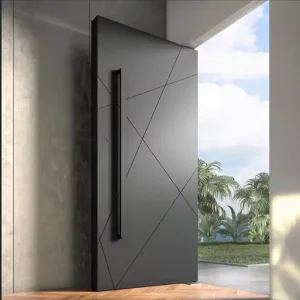
Design Intent: High transparency paired with threat mitigation. Heavy structural aluminum pivot doors integrated with multi-layer polycarbonate laminated bullet-resistant glass, providing full visibility for luxury retail showrooms alongside burglary defense.
Key technical criteria to evaluate when auditing Chinese bulletproof security door manufacturers.
Request batch-specific chemical composition and hardness test certificates (Brinell HBW) for steel plates to ensure authentic AR400/AR500 grade compliance.
Verify that ballistic test reports are issued by accredited independent labs (such as HP White, NTS, or national defense testing institutes) confirming full assembly resistance.
Ensure factory engineers provide structural calculation shop drawings detailing pivot floor load distribution and anchorage shear strength into concrete sub-structures.
Inspect packaging protocols: heavy doors require steel-reinforced, fumigation-free plywood crates with internal EPE foam corner padding to prevent transit distortion.
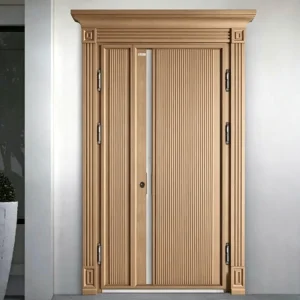
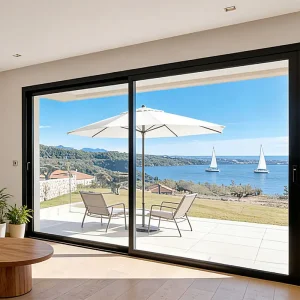
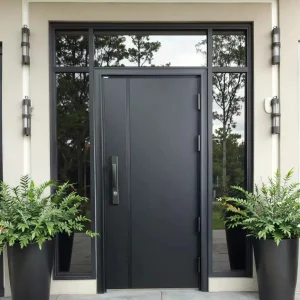
Browse our custom hurricane-rated sliding systems, heavy cast aluminum entry doors, royal armored steel doors, and modern pivot entrance solutions.
In-depth engineering answers to common procurement, compliance, and design inquiries regarding Chinese bulletproof security doors.
An anti-theft security door is designed to delay physical forced entry using tools like crowbars, drills, or lock picks (typically rated under EN 1627 RC2 to RC5). A certified bulletproof door incorporates specialized ballistic steel (such as AR500), composite aramid fibers, and non-spalling laminates engineered to absorb high-velocity projectile impacts (UL 752 or EN 1522 standards) without structural breach or internal fragment ejection.
Yes. High-end Chinese OEM doors utilize multi-chamber thermal break aluminum profiles integrated with high-density mineral wool cores. This hybrid construction achieves thermal insulation U-values down to 1.6 W/(m²·K) alongside certified fire resistance (EN 1634 / UL 10C ratings for 60 to 240 minutes).
Standard custom engineering sample doors take 15 to 20 days for CAD drawing sign-off and material preparation. Bulk production runs require 30 to 45 days depending on surface finishes (such as custom cast aluminum patterns or PVDF coatings). MOQ is flexible: single custom units are supported for high-end residential villas, while container shipments are optimized for commercial projects.
Over-weight ballistic leaves utilize heavy-duty floor pivot systems equipped with German-engineered sealed thrust bearings and 3D adjustable anchoring plates rated for loads up to 1,000 kg. Floor anchors transfer weight directly into structural floor slabs, preventing frame sag and maintaining quiet, effortless manual swing operations.
Yes. Every export order includes comprehensive 2D CAD shop drawings, 3D BIM blocks, structural anchoring schedules, and step-by-step installation manuals. Dedicated project engineers offer remote technical video support during initial frame anchoring and hardware alignment on site.
