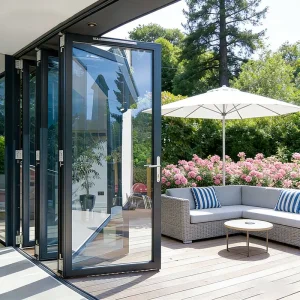
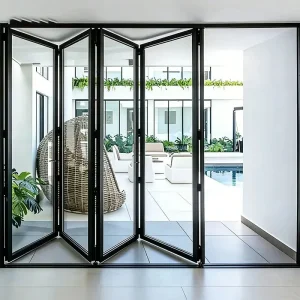
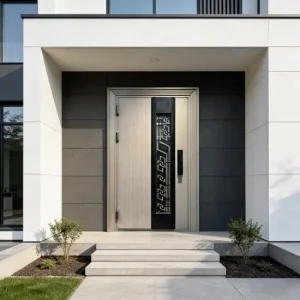
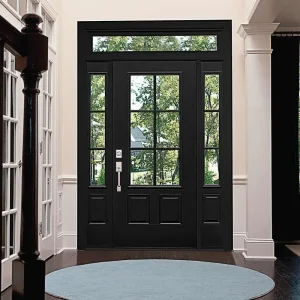
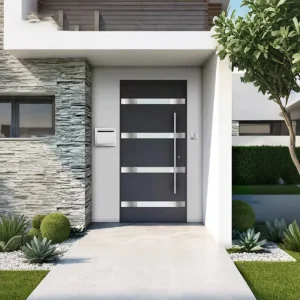
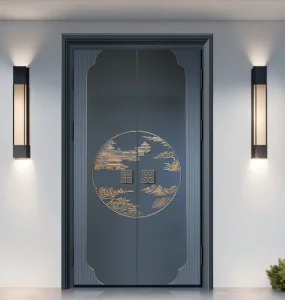
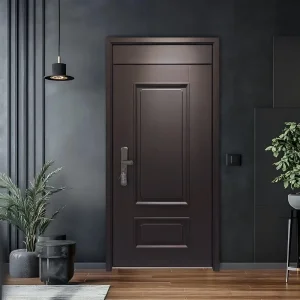
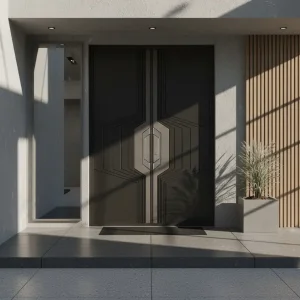
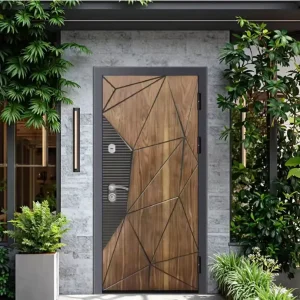
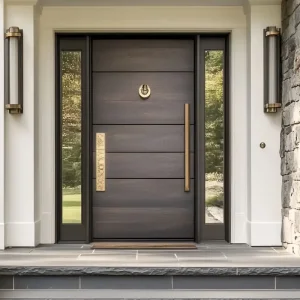
Explore DERCHI's flagship engineered entrance solutions, tested against extreme wind pressures, saline corrosion, and severe thermal fluctuations.
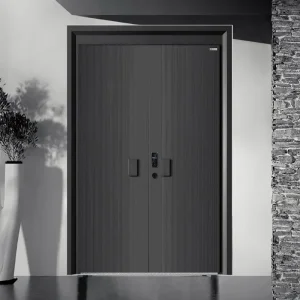
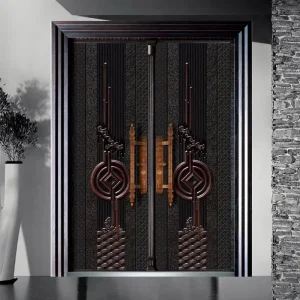
In high-end architectural specifications, an entrance door represents the primary physical barrier between severe external environmental forces and internal structural climate control. Understanding the total cost of ownership (TCO) for a commercial or luxury residential weather-resistant entry door requires analyzing material physics, extrusion profiles, thermal breaking technology, and surface chemistry.
When procurement managers, general contractors, and structural engineers evaluate Derchi weather resistant entry door prices, the core decision matrix moves beyond initial unit acquisition cost to long-term lifecycle durability, structural wind load performance (up to AS2047 N6 standards), thermal U-value optimization, and water penetration resistance. As a premier Foshan-based entrance system manufacturer operating a 180,000 square meter integrated production hub with over 600 skilled technicians, DERCHI delivers precision-engineered entrance solutions that bridge architectural aesthetics with uncompromising physical defense.
Weather resistance in entry door systems is not merely about applying weatherstripping. It requires multi-layered mechanical and chemical engineering designed to combat wind-driven rain, ultraviolet radiation degradation, extreme thermal bridging, and saline atmosphere corrosion.
DERCHI utilizes primary-grade 6063-T5 aluminum profiles equipped with high-density Technoform polyamide (PA66GF25) thermal barrier strips. This structural separation interrupts heat transfer, preventing condensation build-up and achieving low U-values down to 1.6 W/(m²·K).
Utilizing automotive-grade continuous EPDM gaskets with vulcanized corner joints, DERCHI doors maintain elastic memory under extreme temperatures (-40°C to +80°C). The triple-sealed perimeter blocks air infiltration and water intrusion under 3,000 Pa pressures.
Extensively tested for coastal and high-UV environments, DERCHI applies 3-coat PPG AkzoNobel PVDF fluorocarbon coatings exceeding 10,000 hours of ASTM B117 salt spray testing. Coatings resist fading, chalking, and coastal oxidation for over 25 years.
When reviewing factory direct manufacturer quotes versus local distributor markups, understanding the exact cost drivers empowers developers and architects to optimize project budgets without sacrificing structural integrity.
Pricing for commercial and villa entry doors varies significantly based on structural dimension, material choice (Cast Aluminum vs. SUS304 Stainless Steel vs. Thermally Broken Aluminum), glass specification, and hardware security level. Below is an engineering benchmark breakdown of direct FOB factory pricing models from DERCHI compared to market performance tiers:
| Door Material & Platform | Structural Profile Depth | Est. Direct Factory Price Range (USD/m²) | Wind & Water Tightness Rating | Primary Commercial / Residential Suitability |
|---|---|---|---|---|
| Thermally Broken Aluminum System | 80mm – 120mm Heavy-Duty | $280 – $480 / m² | AS2047 N6 (Up to 3,000 Pa Water Test) | Luxury Coastal Villas, Modern Architectural Residences |
| Cast Aluminum Solid Panel Door | 6mm – 12mm Solid Cast Relief | $450 – $850 / m² | High Impact (2,400 Pa Structural Load) | Gated Villa Main Entrances, Heritage Estate Gates |
| SUS304 / SUS316 Stainless Steel Door | 1.2mm – 2.0mm Steel Armor Skin | $350 – $650 / m² | Bulletproof / Forced Entry Level 4 | High-Security Enclosures, Commercial Bank / Vault Openings |
| Oversized Glass Pivot Entry System | 100mm Pivot Axis Frame | $520 – $980 / m² | Hurricane Impact (TAS 201/202/203) | 5-Star Hotel Lobbies, Modern Estate Grand Foyers |
Deploying weather-resistant doors globally requires compliance with regional structural integrity standards, fire safety codes, and extreme weather mitigation protocols.
For North American coastal installations (such as Florida HVHZ), DERCHI doors are engineered to pass TAS 201 (Large Missile Impact Test), TAS 202 (Uniform Static Air Pressure), and TAS 203 (Cyclic Wind Pressure Loading).
ASTM E1300 / NFRC VerifiedDERCHI door systems hold official AS2047 N6 accreditation, confirming maximum water resistance (up to 450 Pa) and ultimate limit state wind pressure endurance (exceeding 3,000 Pa for cyclonic regions).
AS2047 / AS1170 TestedEquipped with CE Marking compliance (EN 14351-1), DERCHI doors meet European acoustic insulation standards (STC up to 42 dB) and GCC sandstorm dust seal parameters.
CE / ISO 9001 AuditedDifferent geographic environments present unique stress factors. DERCHI configures material compositions specifically tailored to site microclimates.
Salt-laden coastal air accelerates galvanic corrosion on standard steel doors. DERCHI recommends heavy-gauge 6063-T5 aluminum entrance doors with 30-micron fluorocarbon coating, 316 stainless steel hinges, and double-laminated impact glass to prevent salt pitting and withstand Category 5 storm gusts.
In environments like the Middle East or Arizona where surface temperatures exceed 70°C, non-insulated doors warp and distort. DERCHI's multi-chamber PA66 thermal breaking system and reflective Low-E double glazing maintain internal dimensional stability while lowering air conditioning loads.
Commercial entrances demand structural endurance alongside sleek aesthetics. DERCHI's large-format glass pivot entry doors utilize heavy-duty hydraulic floor pivots rated for 500kg leaf weights and tested to 500,000 opening cycles without hinge sag.
In freezing conditions, standard door frames freeze and experience air leaks around corners. DERCHI integrates argon-filled triple insulating glass and warm-edge technowork spacers, preventing frost formation and thermal bridging.
DERCHI's R&D department continuously pushes the boundaries of material science, structural engineering, and smart home automation.
Incorporating ultra-lightweight nanoporous aerogel blankets inside structural aluminum profiles to reduce U-values below 1.0 W/(m²·K), establishing Passive House standard compliance for extreme climates.
Integrating hidden 3D facial recognition sensors, encrypted mobile app controls, and motorized multi-point lock actuators into seamless weather-sealed frame extrusions.
Transitioning from traditional argon glass to 8mm ultra-thin Vacuum Insulating Glass (VIG), reducing door weight by 40% while doubling acoustic and thermal insulation performance.
Direct technical answers from DERCHI's senior engineering team regarding custom orders, shipping protection, lead times, and structural certifications.
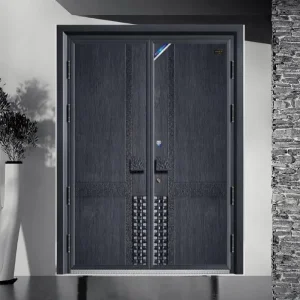
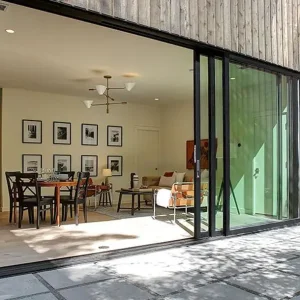
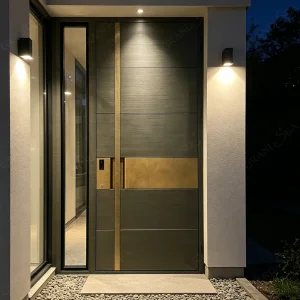
Browse DERCHI's complete portfolio of cast aluminum, stainless steel security, and architectural glass entry systems.
Send us your door schedule, project location, and structural parameters. DERCHI's architectural team will deliver full CAD details and complete price schedules within 24 hours.