Precision-manufactured entrance systems featuring thermally broken aluminum extrusions, sand-cast panels, and certified acoustic safety glass configurations.
An exhaustive technical evaluation of market trends, thermal performance compliance, privacy regulations, and structural engineering across international jurisdictions.
Modern architectural paradigms prioritize natural daylighting (LEED v4 Daylight & Acoustic Performance) while maintaining strict visual privacy compliance. In medical office buildings (HIPAA compliance), executive suites, and luxury residential villas, frosted glass doors engineered by Derchi provide high light transmittance (65%–82%) combined with obscuration coefficients exceeding 0.92, eliminating clear line-of-sight while preventing artificial lighting overheads.
Contemporary building envelopes demand thermal break performance. Derchi integrates acid-etched or ceramic-fritted frosted glass leaves into double-glazed (IGU) and triple-glazed assemblies equipped with Polyamide PA66GF25 thermal struts, Low-Emissivity (Low-E) soft coatings, and Argon gas fills (90%+ purity). This reduces frame U-values down to ≤1.4 W/(m²·K), meeting strict European Passive House and Title 24 Energy Standards.
Frosted glass doors installed in coastal zones (e.g., Florida HVHZ, Australian Cyclonic Regions) require rigorous structural testing. Derchi’s door systems utilize SentryGlas® (SGP) and PVB laminated toughened glass substrates tested under AS2047 N6 wind pressures (up to 3,000 Pa water resistance and 4,500 Pa structural wind load capacity), resisting violent storms, impact debris, and high operational cycles.
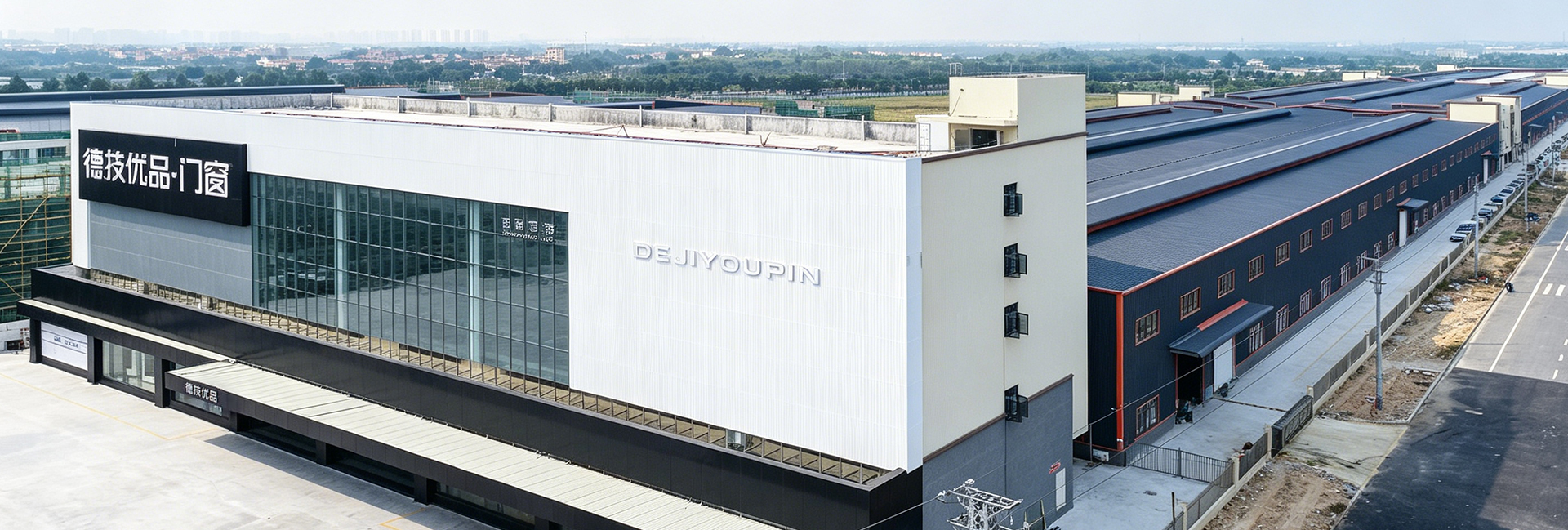
Derchi operates one of the Asia-Pacific region's most technologically sophisticated door and window manufacturing complexes. By unifying raw aluminum extrusion (6063-T5/6060-T66), precision CNC machining center matrices, vertical automated powder-coating lines, and cleanroom glass lamination under a single quality control standard (ISO 9001:2015), Derchi eliminates intermediate supply chain markups and structural defects.
Understanding the physical and microstructural processing routes of opaque and translucent glass panels in heavy-duty architectural opening systems.
Chemical etching submerges float glass sheets into aqueous hydrofluoric acid solutions, eroding silica crystals to form a microscopic, smooth, non-porous matte surface. Satin acid-etched glass engineered by Derchi resists fingerprint oils, grease staining, and mechanical scratching superior to physical sandblasting, retaining a soft diffused light transmission rate (VLT ~80%).
High-temperature ceramic enamel frit paints are screen-printed or digitally printed onto float glass substrates before thermal tempering (680°C–700°C). The ceramic pigments permanently fuse into the glass matrix. This allows customizable geometric frosted patterns, fluted/reeded visual textures, gradient opacities, and enhanced solar heat gain control (SHGC reduction).
Polymer Dispersed Liquid Crystal (PDLC) matrix interlayers are laminated between two glass sheets using dual EVA/PVB films. When 48V AC electrical current is applied, liquid crystal molecules align, instantly transitioning the door glass from opaque frosted (milky white) to 84% crystal clear within 10 milliseconds via smart home switches or IoT control.
Tailoring hardware, glazing compositions, and profile geometry to fit specific regional climatic conditions and building codes.
Deploying heavy-duty sliding glass door assemblies with satin acid-etched frosted leaves, concealed soft-closing damper mechanisms, and ADA-compliant zero-threshold bottom tracks. Meets HIPAA patient privacy requirements in medical clinics and optimizes acoustic isolation (STC 38–42) in executive conference spaces across the USA and Canada.
Utilizing high-performance Low-E double frosted insulating glass units (6mm Low-E Frosted + 12A Argon + 6mm Clear) framed in PVDF fluorocarbon coated thermally broken 6063-T6 aluminum extrusions. Tested to resist desert solar heat gain, extreme ambient temperatures (+55°C), and sandstorm air filtration requirements.
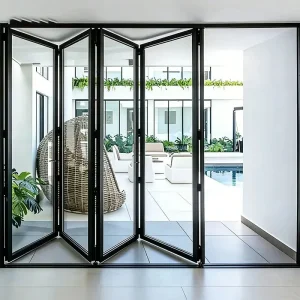
Designing heavy-duty floor pivot and bi-fold glass doors with SGP laminated frosted impact glass. Full compliance with AS2047 and AS1288 Australian Standards, offering superior resistance against tropical cyclones, salt fog spray corrosion, and intense coastal UV degradation.
Comprehensive physical performance indices of primary frosted glass treatment technologies for architectural specifyers and procurement engineers.
| Glass Processing Route | Visible Light Transmittance (VLT) | Fingerprint & Stain Resistance | Acoustic Rating (STC) | Impact Safety Standard | Recommended Applications |
|---|---|---|---|---|---|
| Acid-Etched Satin Glass | 78% – 83% | Excellent (Non-porous, hydrophobic) | 35 - 40 dB | ANSI Z97.1 / EN 12150 Tempered | Luxury Villa Interiors, Bathrooms, Executive Suites |
| Ceramic Frit Printed Glass | 20% – 65% (Custom) | Superior (Fused ceramic mineral layer) | 36 - 42 dB | EN 14179 Heat-Soak Tested Safety Glass | Exterior Facades, Sunshades, Commercial Lobbies |
| Sandblasted Mechanical Glass | 70% – 75% | Moderate (Requires anti-fingerprint seal) | 32 - 38 dB | ASTM C1048 Heat-Treated Glass | Decorative Interior Partitions, Low-budget Doors |
| Smart Switchable PDLC Glass | 84% (Clear) / 5% (Opaque) | Superior (Double Sealed Laminated Unit) | 38 - 45 dB | ISO 12543 Laminated Safety Standard | VIP Boardrooms, ICU Hospital Doors, Smart Homes |
Direct technical answers from Derchi’s chief structural glass engineers regarding customization, compliance, and international shipping protocols.
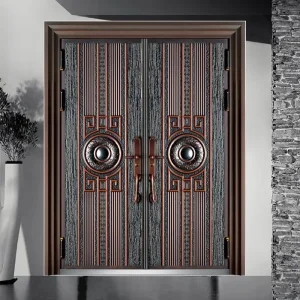
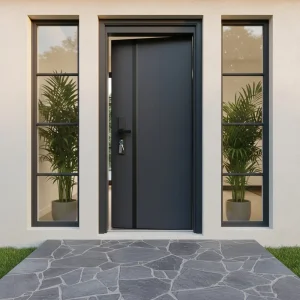
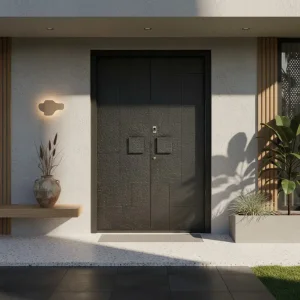
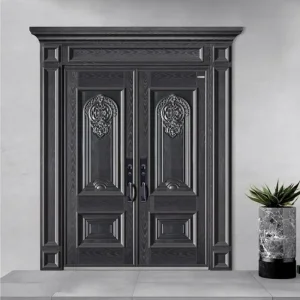
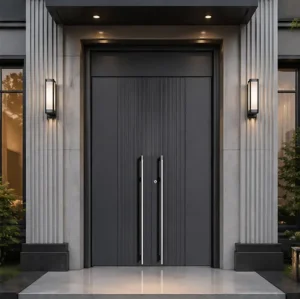
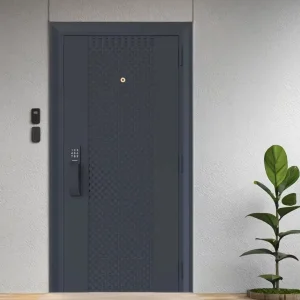
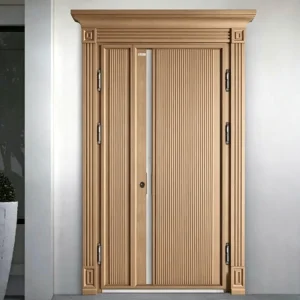
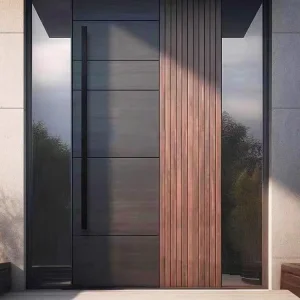
Heavy-duty cast aluminum surface structures, explosion-proof entry systems, and architectural pivot door variants engineered by Derchi.
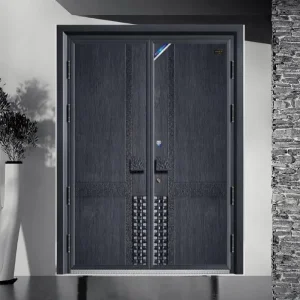
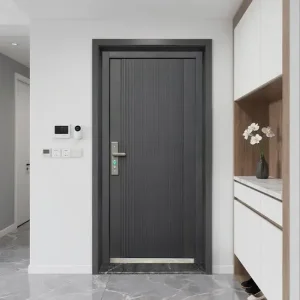
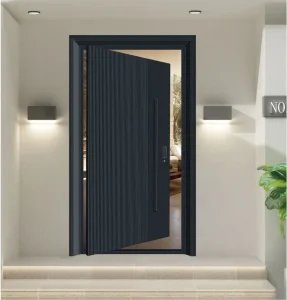
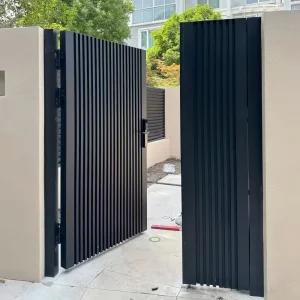
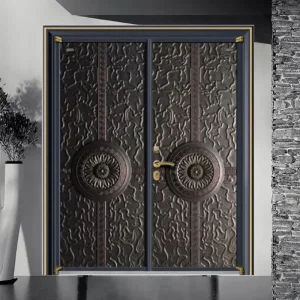
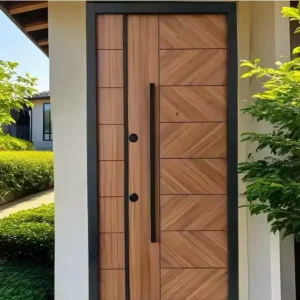
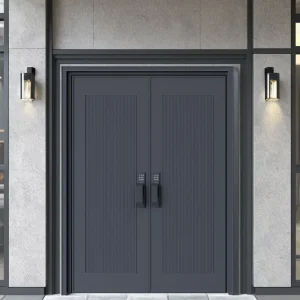
Request complete CAD shop drawings, factory pricing, physical glass finish samples, and AS2047/CE certified performance documentation for your upcoming project.
Request Technical Consultation