Engineered B2B Fenestration Systems

China Thermal Insulated Aluminum Door Wholesaler Manufacturers & Suppliers

Industry Whitepaper & Technical Architectural Specification Guide for Commercial Facades, Passive Residential Envelopes, and High-Performance Fenestration Sourcing.

Flagship Fenestration Portfolio

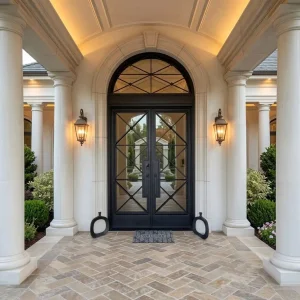
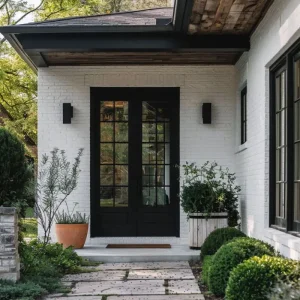
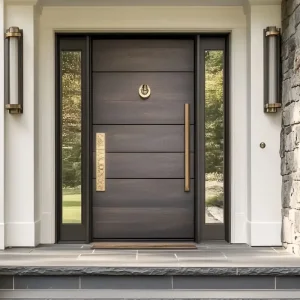
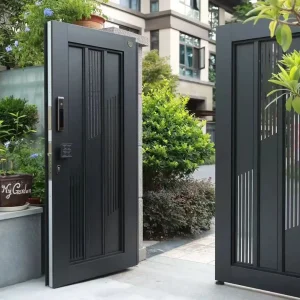
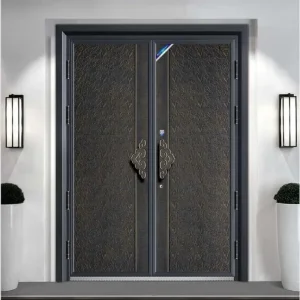
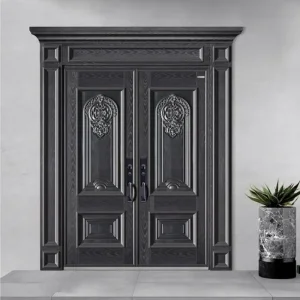
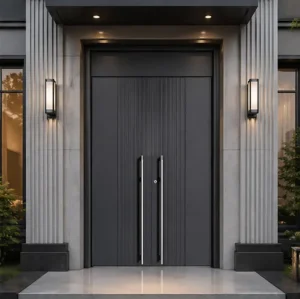
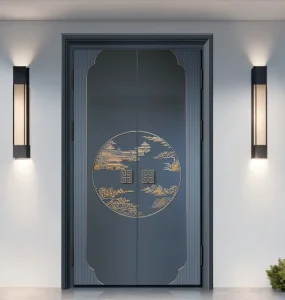
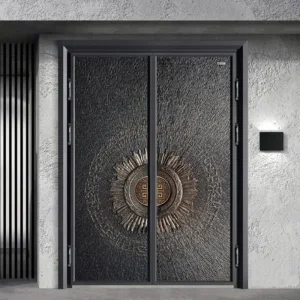
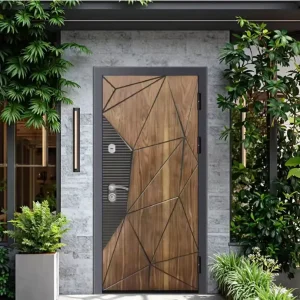
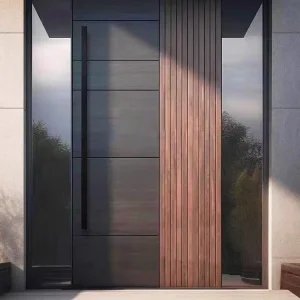
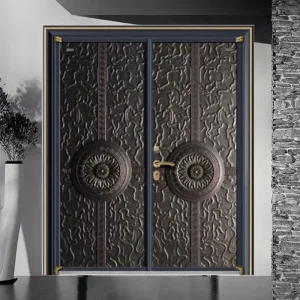
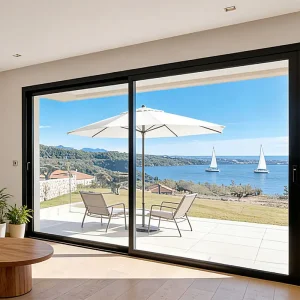
Wholesale Thermal Insulated & Armored Entrance Systems

Direct-from-factory architectural engineering featuring integrated thermal barrier barriers, multi-point compression interlocks, and precision-engineered metal alloys tailored for commercial and high-end residential distribution.
Macro Industry Solutions

Engineering Envelope Efficiency: The Thermal Optimization Imperative

Modern building codes worldwide—ranging from ASHRAE 90.1, IECC, to the European EPBD (Energy Performance of Buildings Directive)—have transformed fenestration from simple space enclosures into sophisticated energetic barriers.

Deep Polyamide Thermal Barriers
Standard aluminum profiles exhibit a high thermal conductivity (approx. 205 W/(m·K)). DERCHI engineers utilize structural PA66 GF25 (polyamide 6.6 reinforced with 25% glass fiber) struts with multi-chamber geometries ranging from 24mm to 44mm. This design breaks the linear heat path, achieving U-values as low as 1.4 to 1.8 W/(m²·K) across complete door assemblies.
Typhoon & Cyclonic Resistance
Engineered for coastal microclimates, our profiles integrate structural sub-cavities with wall thicknesses from 2.0mm to 3.0mm conforming to Chinese national standard GB/T 8478 and Australian AS2047 N6 cyclonic standards. High-tensile stainless steel reinforcement sleeves secure corner miters, preventing deflection under dynamic wind loads reaching up to 3,000 Pa.
Acoustic Decoupling Systems
Urban noise pollution demands advanced attenuation. By pairing multi-chamber extrusion geometries with continuous, vulcanized EPDM triple-sealing gaskets and acoustic laminated insulating glass (utilizing 0.76mm to 1.52mm acoustic PVB interlayers), our doors achieve laboratory-tested sound transmission loss ratings from Rw 36 dB to Rw 42 dB.
180,000 m²
Integrated Industrial Campus
600+
Specialized Engineers & Staff
100+
Patents & Certifications
±0.5 mm
CNC Machining Tolerance
Foshan Manufacturing Cluster

China Factory 4.0: Supply Chain Density & Precision Extrusion

Located in Foshan, Guangdong—the world’s foremost manufacturing cluster for architectural aluminum—DERCHI (Guangdong Deji Youpin Doors and Windows) operates a vertically integrated industrial campus spanning 180,000 square meters. This geographic concentration gives our international wholesale partners an undeniable competitive moat in lead time, raw material consistency, and lean cost engineering.
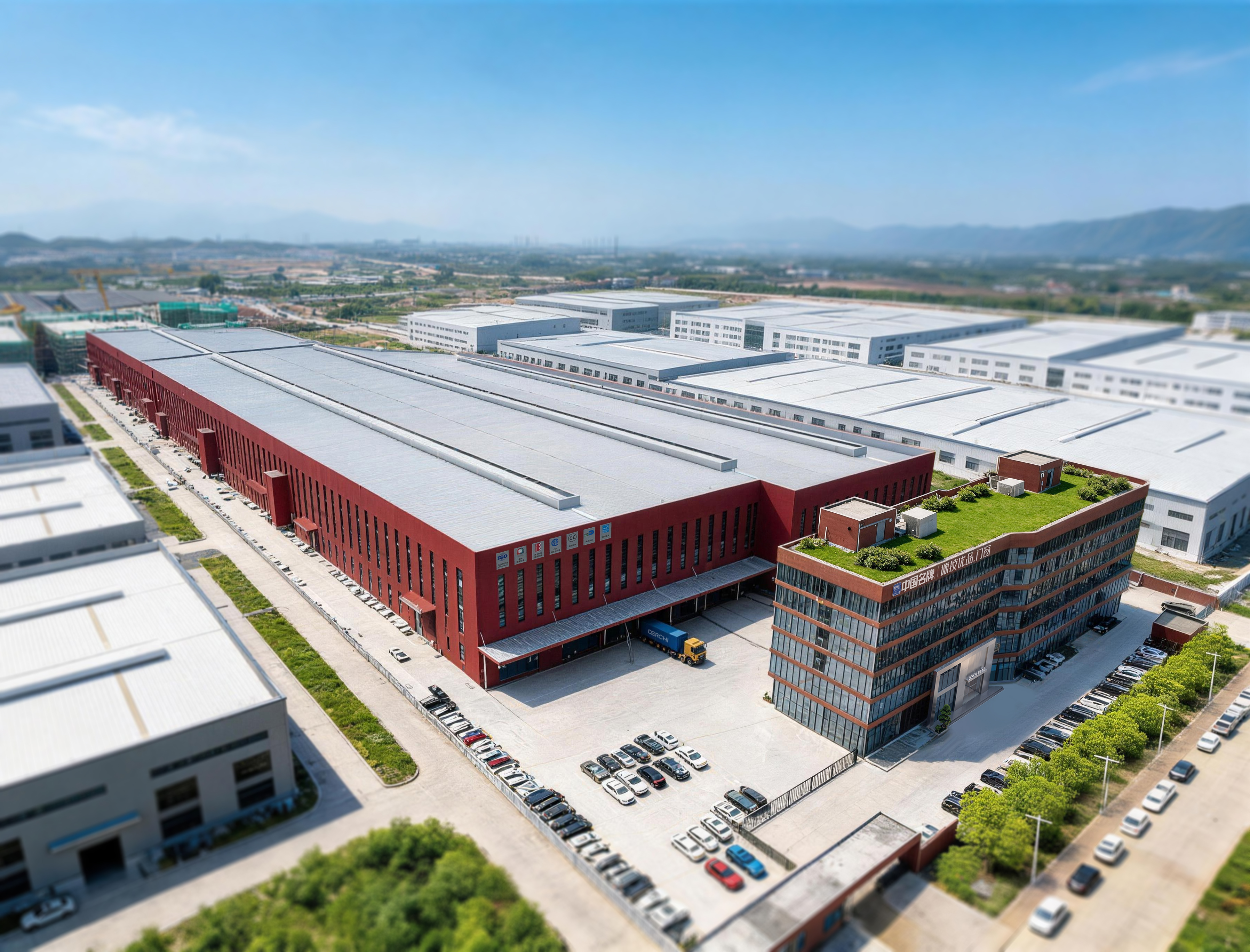
  • Billet Smelting & In-House Extrusion: Primary 6063-T5 and 6063-T6 virgin aluminum billets are processed with automated extrusion presses to guarantee precise metallurgical grain structure and structural tensile yield strength exceeding 160 MPa.
  • Automated CNC 5-Axis Processing: German and Italian five-axis machining centers handle profile cutting, lock mortising, weep hole milling, and pivot anchoring at micrometer tolerances, preventing site assembly mismatches.
  • Vertical Powder Coating & PVDF: Swiss Gema automatic vertical powder-spray lines apply AkzoNobel and PPG architectural fluorocarbon (PVDF) finishes, verified by 4,000-hour neutral salt spray tests for extreme coastal salinity.
DERCHI 180000 m2 Factory Campus
Comprehensive Material Science

Architectural Subsystem Comparison Matrix

Objective physical data comparing DERCHI’s primary wholesale fenestration platforms to assist project architects, facade consultants, and general contractors in value engineering and procurement specification.

Platform Series Extrusion & Core Architecture Thermal Performance (U-Value) Acoustic Attenuation Structural & Wind Resistance Target Application
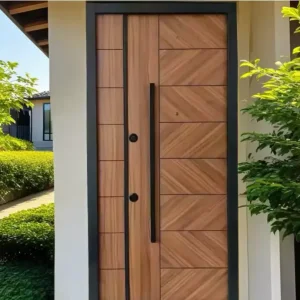
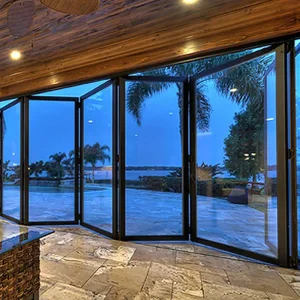
Thermally Broken Aluminum 6063-T5 alloy (2.0–3.0mm wall) with 24–34mm PA66 GF25 strips + High-density PU infill 1.4 – 1.9 W/(m²·K) Rw 35 – 40 dB Up to 3,000 Pa (AS2047 N6 Wind Load Certified) Luxury residences, seaside villas, commercial curtain-wall entrances
Sand-Cast Aluminum Relief 6–12mm solid cast decorative relief plate bonded to thermalized tubular aluminum core 1.9 – 2.4 W/(m²·K) Rw 34 – 38 dB Up to 2,500 Pa (Enhanced torsional rigidity) Private estates, classic villa main entries, upscale hotel suites
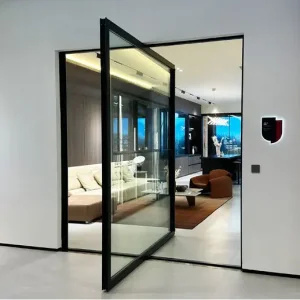
Oversized Insulated Pivot Extruded perimeter skeleton with 28–44mm Low-E Argon-filled IGU / Laminated units 1.3 – 1.8 W/(m²·K) Rw 38 – 42 dB Heavy-duty 500kg concealed hydraulic bottom pivot Flagship retail storefronts, panoramic lobbies, minimalist architecture
Armored Stainless Steel Composite 1.5–2.0mm SUS304/SUS316 exterior skins over fire-resistant mineral wool & honeycomb core 2.0 – 2.6 W/(m²·K) Rw 32 – 36 dB Class 3 anti-burglary / Anti-drill hardened steel plating High-security facilities, bank back-offices, VIP panic-room entrances
Compliance Engineering

Global Market Harmonization & Testing Standards

Navigating cross-border building codes requires verified test documentation. DERCHI systems comply with strict mechanical and thermal mandates across key export territories, ensuring fast local permit approvals.

North America (NFRC & AAMA)
Thermal transmittance validated according to NFRC 100/200; structural air/water tightness conforms to AAMA/WDMA/CSA 101/I.S.2/A440 for high wind loads.
Australia & NZ (AS2047 / AS1288)
Full batch compliance with AS2047 N6 cyclonic testing, water penetration resistance up to 450 Pa, and glazing certified under AS1288 architectural safety codes.
European Union (CE EN 14351-1)
Factory Production Control certified under ISO 9001:2015 with CE Declaration of Performance (DoP) confirming thermal, acoustic, and wind load thresholds.
Middle East & Coastal Salinity
Fluorocarbon PVDF finishes pass ASTM B117 salt spray testing beyond 4,000 hours, preventing blistering or chalking under intense UV and desert heat cycling.
R&D Innovations

Technical Roadmap: Next-Generation Intelligent Thermal Entrances

The convergence of building physics, green metallurgy, and smart automation defines DERCHI's research and product development investments for 2026 and beyond.

Aerogel-Enhanced Thermal Cavities
Integrating nanoporous silica aerogel inserts into profile chambers reduces overall system thermal conductivity below Uf 0.9 W/(m²·K). This development provides certified compliance for ultra-low energy Passivhaus projects without requiring overly bulky frame depths.
IoT Smart Concealed Access
Modern wholesale buyers request embedded access tech. Our latest door leaves feature concealed motorized multi-point locks with integrated biometric recognition, facial scanning, and encrypted Zigbee/Matter communication without compromising exterior weather seals.
Low-Carbon Recycled Metallurgy
Addressing Scope 3 embodied carbon mandates, DERCHI has introduced low-carbon billet processing options utilizing up to 75% post-consumer recycled aluminum scrap (powered by renewable hydropower smelting), lowering product lifecycle emissions to under 4.0 kg CO₂e per kg of alloy.
Logistics Resilience

TCO Optimization: Packaging, Nesting & Freight Protection

International wholesale door procurement often fails in transit rather than manufacturing. Ocean container freight exposes oversized door assemblies to dynamic racking, moisture condensation, and vibrational stress. DERCHI's proprietary packing matrix safeguards your project schedules:

  • Four-Tier Protective Barrier: Protective low-tack electrostatic surface film, high-density EPE foam corner protectors, five-ply heavy-duty corrugation, and export-grade fumigation-free solid plywood crates.
  • Container Nesting Optimization: Dedicated CAD container loading simulations maximize cubic volume in 40ft High Cube containers while organizing crate placement by floor schedule to speed up site unloading.
  • Transit Damage Defect Rate Below 0.3%: Rigorous packaging testing maintains transit claim rates below 0.3%, protecting construction milestones from costly logistical delays.
Assembled DERCHI Door Systems Ready for Loading
Technical Questions

Frequently Asked Engineering & Wholesale Questions

Direct responses from our lead fenestration engineers regarding technical tolerances, bespoke configurations, and overseas contract compliance.

What are the maximum physical dimensions for DERCHI heavy-duty thermal pivot doors?
Standard production accommodates leaves up to 1,600 mm in width and 3,200 mm in height. For grand entrance foyers and commercial hospitality projects, our custom engineering department manufactures leaves up to 2,000 mm × 4,000 mm. These assemblies utilize reinforced internal steel tube cores, continuous vertical anti-bowing tension rods, and heavy-duty concealed bottom pivot mechanisms load-rated up to 500 kg to prevent long-term frame sag.
How do you resolve thermal bridging at the bottom threshold of exterior swing doors?
Thresholds present a critical risk for heat loss and condensation. DERCHI incorporates an anodized, thermally broken low-profile sub-sill system utilizing dual EPDM drop-down automatic sweep gaskets. These drop-down seals engage upon closing, creating a weather-tight compression seal rated against 450 Pa water penetration while maintaining barrier-free accessibility compliant with ADA standards.
What are the lead times, MOQ requirements, and drawing approval protocols?
Prototypes and sample verification units require 12 to 18 working days. Production runs for full containers typically complete in 25 to 35 days from approved CAD shop drawings. We do not enforce rigid container MOQs for custom commercial projects, and single sample units for showroom display or testing are fully supported. Our drafting department provides free shop drawings, BIM families (LOD 300/350), and structural calculations within 48 hours of schedule submission.
Can DERCHI engineer equivalent replacements for established European profile systems?
Yes. When project specifications call out European brands (such as Schüco, Reynaers, or heroal), our engineering team provides side-by-side technical equivalency analyses. We cross-reference profile alloy compositions, moment of inertia (Ix, Iy), thermal break chamber depths, and hardware compatibility. This allows general contractors to submit compliant, value-engineered alternatives that reduce material procurement costs by 30% to 45% without compromising architectural intent or performance certs.