Choosing French doors is about more than creating a graceful entrance. The frame affects daylight, comfort, maintenance, and how the room connects with a patio or garden. An Aluminum French Door can offer slim sightlines and a clean, contemporary appearance, while leaving more visible glass between the frame members. In a kitchen, that may mean a clearer view of the garden and brighter morning light.
The material is valued for its strength and resistance to rust, but the finished result depends on more than aluminum alone. Look closely at the frame’s thermal break, glazing specification, weather seals, and hardware. These details influence heat transfer, drafts, and day-to-day operation. A handle should feel secure; the meeting doors should close evenly. Small details matter.
There are trade-offs. Aluminum frames can feel colder without suitable thermal design, and quality, finish, and installation vary by manufacturer and project. A wide opening may also need careful planning for thresholds, accessibility, and local weather exposure. Not every home needs the same specification. A practical choice starts with the opening size, climate, budget, and how often the doors will be used. Ask for product data and installation guidance, then compare complete door systems rather than frame appearance alone. That extra check can prevent a beautiful-looking door from becoming an uncomfortable surprise.
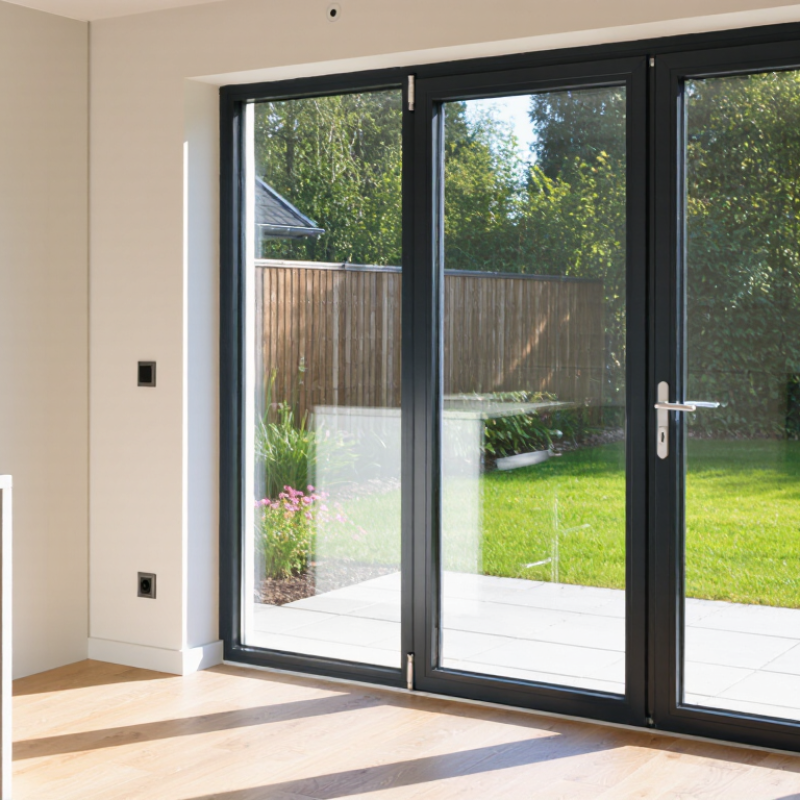
Aluminum French doors are a pair of hinged doors, usually glazed across much of their height. Their slim metal frames leave more room for glass than many traditional, heavier profiles. Both panels can open, though one is often kept closed with flush bolts during everyday use. They suit patios, gardens, and rooms where daylight matters. Details matter.
The frames are made from shaped aluminum sections joined at the corners. In well-designed doors, thermal breaks separate the inner and outer metal surfaces, helping reduce heat transfer. Gaskets around the glass and meeting stiles limit drafts and rain entry. The glass itself may be double glazed, with coatings or gas-filled cavities selected for the local climate. A broad glass area looks elegant, but it can also bring glare or heat gain if the orientation is not considered.
Design choices affect how the doors work in a real room. Inward-opening leaves need clear floor space; outward-opening leaves need protection from wind and nearby paths. A low threshold can make access easier, but drainage and weather sealing still need careful detailing. Frame color, handle position, muntin patterns, and sightline width shape the appearance. Ask how the meeting point seals and how the hinges support the glass weight. That trade-off is easy to overlook. A beautiful elevation may still feel awkward if furniture blocks one leaf or the handles sit too low.
Aluminum French doors work as a glazed opening between two spaces, or between a room and the outdoors. Each panel turns on hinges fixed to a sturdy frame. When both panels open, the wide passage can carry daylight, fresh air, and everyday traffic. A central meeting point brings the panels together when closed. One detail matters: the inactive panel usually needs a secure way to stay in place.
The frame transfers the doors’ weight to the surrounding wall, so careful fitting is essential. Installers check that the opening is square and support the frame evenly. Weather seals around the edges help limit drafts and rain entry, while a well-designed threshold manages water at floor level. Glazing affects comfort, too. Double glazing and a thermal break in the aluminum frame can reduce heat transfer, though results depend on the whole assembly.
They need adjustment. Hinges can loosen slightly with use, and seals may wear over time. A small gap at the meeting stile can invite a draft, even when the panels look closed. Aluminum is strong and relatively slim, but it does not solve poor drainage or careless installation. On site, I would check the sill, seals, and locking points before judging how well the doors function.
Aluminum French doors pair wide glass panels with slim frames, giving rooms a brighter, more open feel. Their clean lines suit both modern renovations and older homes. The frames resist rust and need little upkeep, though surface finishes still benefit from occasional cleaning and inspection. A practical advantage.
The U.S. Department of Energy’s Energy Saver guidance estimates that windows account for about 25%–30% of residential heating and cooling energy use. French doors contain large glazed areas, so glazing choice and installation quality matter. Look for thermally broken frames, efficient glazing, and well-sealed edges to help limit unwanted heat transfer. Aluminum alone does not guarantee energy savings. Proper fitting matters.
Tips: Check the door’s whole-unit performance rating, not just the glass specification. Ask how the threshold and meeting rails are sealed. On a sunny afternoon, notice where direct light falls; that detail can guide glazing and shading choices. A small site measurement can prevent a costly fit problem.
Aluminum French doors suit projects that need a broad, practical connection between rooms and outdoor areas. They work well in garden-facing living rooms, kitchen-dining extensions, and renovations where a single door feels too narrow. Picture two leaves opening onto a level patio, with clear sightlines from the table to the garden. For balconies, check opening clearance and wind exposure before choosing the configuration. It is a small detail, but an easy one to miss.
Buyer preferences support this indoor-outdoor use. The National Association of Home Builders’ 2024 What Home Buyers Really Want report found that 82% of buyers considered a patio essential or desirable. French doors can make that space feel more accessible, though they cannot fix a cramped layout or poor drainage. For exterior projects, insulation deserves equal attention. The U.S. Department of Energy estimates that windows account for 25–30% of residential heating and cooling energy use. That matters. Specify suitable glazing and thermal breaks, then review the whole opening, including frame seals and installation.
These doors are also useful in light-focused renovations, where slim frames help preserve views and daylight. They may suit interior partitions between a study and living area, too, provided privacy and sound control are not priorities. I would hesitate in tight rooms: two swinging panels need clear floor space, and furniture can quickly obstruct them. Sliding or folding options may fit better there. A careful site measurement, plus checks for threshold height and accessibility, makes the choice more dependable.
Aluminum French doors suit projects that need slim frames and broad glass panels, but selection details affect daily comfort. Measure the finished opening at several points; older walls are rarely perfectly square. Check the frame’s thermal break and glazing options, especially where winters are cold or afternoon sun is strong. Consider the threshold, too. A low profile eases access, while a raised sill may help manage wind-driven rain. Confirm the doors’ swing direction will not hit furniture, paths, or nearby fixtures.
Maintenance is modest, not zero. Rinse frames periodically to remove dust and salt, then clean with mild soap and water. Avoid abrasive pads, which can mark the finish. Keep drainage channels clear of leaves, and inspect seals for gaps or cracking. Hinges and locks may need occasional adjustment or lubrication; follow the care instructions for the specific system. One overlooked issue: a door that starts dragging may need alignment, not extra force. Small details matter.
Tips: Measure twice. Test the handles and lock before installation is complete. After heavy rain, check the sill and corners for standing water. If condensation appears often, review indoor humidity and ventilation before assuming the frame is faulty.
Aluminum frames are durable and low-maintenance, but temperature changes can cause them to expand and contract. Allow for movement during installation, and periodically check clearances, seals, and hardware. Values shown are approximate coefficients of linear thermal expansion; actual values vary by alloy and material. Timber is measured along the grain, and a door’s overall thermal performance also depends on its design, thermal breaks, and glazing.
They are two hinged doors with slim metal frames and large glass panels. Both leaves can open. Often, one stays bolted.
Thermal breaks reduce heat transfer through the frame. Double glazing can improve comfort, depending on its design and local weather. Details matter.
They suit garden-facing living rooms, kitchen extensions, and wide patio openings. Imagine two leaves opening toward a level stone patio.
Inward-opening doors need clear indoor floor space. Outward-opening doors need room outside and protection from wind. Furniture can block a leaf.
They may feel awkward where furniture or narrow walkways limit the swing. Sliding doors might fit better. I would measure twice.
A low threshold can ease access, but it still needs careful weather sealing. Keep drainage channels clear of leaves. Check after heavy rain.
Rinse frames and clean them with mild soap and water. Avoid abrasive pads. Inspect seals, hinges, locks, and corners periodically.
A dragging door may need alignment, not extra force. Frequent condensation can relate to indoor humidity or ventilation. It is worth checking both.
Aluminum French Door systems combine the classic look of paired doors with the strength and clean lines of aluminum frames. Usually designed with large glass panels, they let natural light flow between rooms or connect indoor spaces with patios, gardens, and balconies. Their hinged leaves open from the center, creating a wide passage when both doors are used, while secure hardware and carefully fitted seals help support everyday operation and comfort.
These doors suit homes and commercial spaces where daylight, access, and an open feel are priorities. Their durable frames, slim profiles, and range of finishes make them adaptable to different architectural styles, though the right choice depends on opening size, glazing needs, climate, and expected use. Before selecting a system, consider thermal and acoustic performance, installation requirements, safety features, and maintenance. Regularly cleaning the glass and frames, checking hinges and seals, and keeping drainage paths clear can help the doors function smoothly over time.

