How to Choose a Stainless Steel Screen Door?

Time:2026-09-18 Author:Isabella
0%

Choosing a Stainless Steel Screen Door is not merely a style decision. It affects airflow, security, maintenance, and daily comfort.

Industry evidence gives useful direction. The International Stainless Steel Forum reports continued global demand for stainless steel across construction and consumer products. However, its production data does not isolate screen doors. That limitation matters. A broad market statistic cannot prove that every stainless door performs well. The U.S. Department of Energy also emphasizes that controlled ventilation can support indoor comfort, although a screen door alone cannot replace proper sealing or energy planning.

Material selection deserves careful attention. Richard E. Avery, a recognized stainless-steel technical specialist associated with SSINA, has stated, “The selection of a stainless steel grade should be based on the environment.” That principle is practical. A coastal home may need stronger corrosion resistance than a dry inland property. Salt mist can settle on mesh corners, hinges, and lower frames. Small details become expensive later.

Look closely.

This guide will compare 304 and 316 stainless steel, mesh strength, frame construction, hinge quality, latch security, airflow, cleaning needs, and installation accuracy. Reports from organizations such as ASTM International and FGIA provide useful standards for evaluating materials and door performance. Yet real-world experience still matters. A technically strong door may fail if the frame is uneven or the closer is poorly adjusted. Measure the opening twice. Check the threshold, drainage, and hardware before choosing a finish. A Stainless Steel Screen Door should suit the building, climate, and people using it daily—not simply look durable in a product photograph.
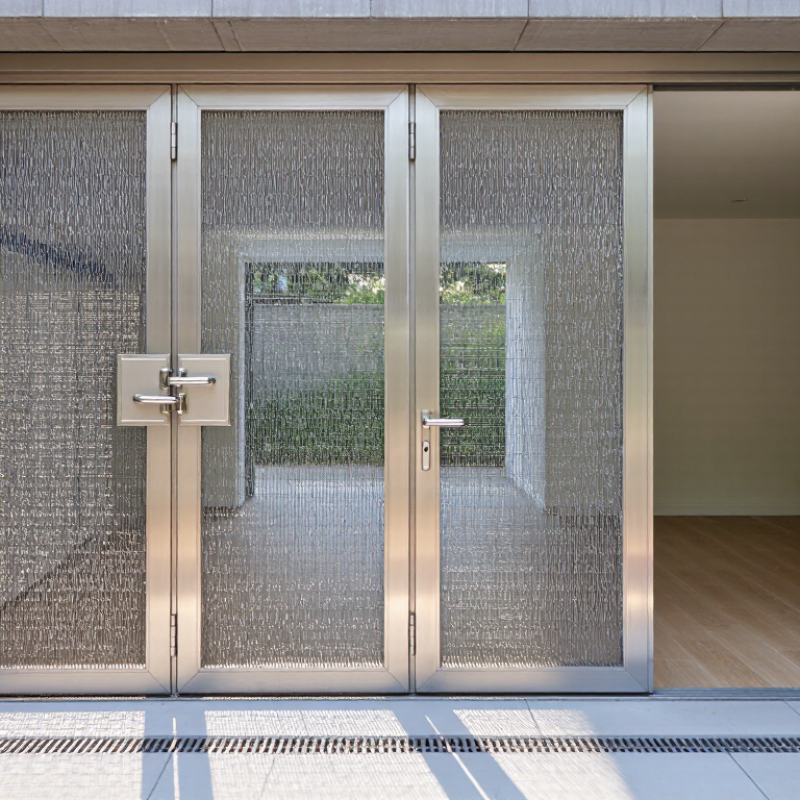
How to Choose a Stainless Steel Screen Door?

Understand the Benefits and Limitations of Stainless Steel Screen Doors

A stainless steel screen door can offer strength, airflow, and a cleaner entrance. Its woven mesh resists rust better than ordinary steel, especially near humid coastlines. It also helps block insects while allowing daylight into your hallway. Choose a tight mesh for smaller pests and a reinforced frame for busy entrances. A well-fitted door should close smoothly without scraping the threshold.

However, stainless steel is not maintenance-free. Salt, dust, and moisture can leave marks or cause surface discoloration. Regular rinsing and gentle cleaning usually help. Avoid abrasive pads, which may scratch the protective surface. The mesh can also feel less private than solid panels. Stronger grades may cost more and can add weight to hinges. I once selected a heavy door for a frequently used entrance, but the hinges later needed adjustment. That detail was easy to underestimate.

Tips: Measure the opening at several points, since older frames may not be square. Check hinge capacity, latch alignment, and mesh thickness before buying. Ask for corrosion information based on your environment. If children or pets use the doorway, inspect the lower mesh regularly. Small damage can spread. Choose repairable parts when possible. Keep expectations realistic; durability depends on installation and care.

Measure the Door Opening and Confirm Installation Requirements

Before choosing a stainless steel screen door, measure the opening, not the old door. The U.S. Department of Energy’s Building America guidance recommends checking width at the top, center, and threshold. Measure height at both jambs. Record the smallest numbers. Measure twice. A frame can look square while hiding a 6-millimeter difference. That small error can create uneven gaps, difficult latching, or mesh contact with the sill. The U.S. Energy Information Administration’s 2020 Residential Energy Consumption Survey reports that about 89% of U.S. households use air-conditioning. A properly fitted screen door supports airflow without leaving a large pest-entry gap.

Confirm installation conditions before ordering. Check the available mounting surface, hinge location, threshold height, and door swing. Stainless steel fasteners should match the frame and resist galvanic corrosion, especially near coastal air. Confirm whether the opening needs a surface-mounted frame, a recessed installation, or additional trim. ASTM E283 is commonly used for air-leakage testing of exterior doors, but it does not replace field verification for a screen door. Ask the installer to check plumb, level, and diagonal measurements. I have seen rushed installations pass a visual inspection, then scrape at the lower corner. That is easy to miss. Leave enough clearance for seasonal movement, seals, and hardware adjustment. Do not guess. Fit matters.

Compare Screen Materials, Frame Designs, and Mesh Strength

How to Choose a Stainless Steel Screen Door?

A stainless steel screen door should match your climate, security needs, and daily traffic. For ordinary outdoor exposure, 304 stainless steel often provides reliable corrosion resistance. Coastal air is less forgiving. In salty environments, 316 stainless steel may perform better because it contains molybdenum. It usually costs more, though.

The screen material also matters. Fine mesh improves insect control, while heavier woven mesh resists pets, impacts, and accidental tears. Smaller openings can reduce airflow. That trade-off is easy to overlook.

Frame design affects both strength and maintenance. Welded corners create a rigid structure, while mechanically joined corners can simplify repairs. A tubular frame feels stronger than a thin folded profile, but it may add weight.

Check the hinge side carefully. Repeated slamming can loosen weak fasteners. Mesh strength depends on wire diameter, weave tightness, and the frame’s support. A thick mesh in a flexible frame still performs poorly.

I once focused too much on mesh thickness and missed frame movement. That was a useful mistake.

Tips:

Hold a mesh sample against daylight before buying. Inspect the corners, fasteners, hinges, and threshold. Ask for tested load or corrosion information when available. Choose a door closer that controls speed without forcing the frame. Clean salt and dust regularly with fresh water. Avoid harsh abrasives. Also, measure the opening twice. Small errors become obvious after installation.

Evaluate Security Features, Ventilation, and Weather Resistance

How to Choose a Stainless Steel Screen Door?

Security begins with the frame, not the mesh alone. Choose welded stainless steel joints that resist flexing and forced separation. A multi-point lock can distribute pressure across the door edge. Tamper-resistant hinges are useful, especially on outward-opening doors. Check the hinge pins carefully. Removable pins may weaken the design. Use corrosion-resistant screws that match the surrounding metal. A loose frame can defeat otherwise strong hardware.

Ventilation should match the room and local climate. Fine mesh blocks insects but may reduce airflow slightly. Larger openings improve ventilation, yet they can admit smaller pests and more dust. Hold a sample near a bright window. This reveals uneven weaving and poor visibility. A tight mesh also supports privacy during daylight. However, it cannot replace curtains at night. Measure the clear opening, not only the outer frame.

Weather resistance depends on more than stainless steel. In coastal areas, a marine-grade alloy may offer better salt resistance. Sloped thresholds help rainwater drain away from the interior floor. Look for sealed corners and a replaceable bottom sweep. These details prevent wind-driven water from entering. Regular cleaning removes salt, pollen, and grime before corrosion starts. I once overlooked drainage during a comparison, and that mistake changed the maintenance estimate. Even quality metal needs attention.

Choose the Right Style, Maintenance Needs, and Budget Range

Choosing a stainless steel screen door starts with how your entry is used. A full-view design suits a shaded porch and keeps sightlines open. A security-style mesh panel offers airflow with a stronger visual barrier. Decorative patterns can match traditional homes, but they may collect dust in narrow corners. Measure the opening, frame depth, and swing direction before comparing finishes. Measure twice. A door that looks perfect online can feel bulky in a tight hallway.

Maintenance depends on exposure, not only on the metal grade. Near the coast, salt residue can dull stainless surfaces and stain fasteners. Rinse the door with fresh water, then dry it with a soft cloth. Use mild soap for fingerprints. Avoid abrasive pads, chlorine cleaners, and steel wool. Check hinges, closers, and mesh edges every few months. In practical installations, neglected hinges often create more trouble than the screen itself. I once underestimated afternoon rain on an uncovered entrance. The lower frame needed cleaning far sooner than expected. That mistake changed my inspection checklist.

Set a realistic budget before choosing appearance. Basic framed screens often sit in the lower price range, while reinforced mesh, custom sizing, and premium hardware raise costs. Installation may add considerably, especially when an old frame is uneven. Ask for itemized pricing, including delivery, removal, fitting, and future hardware replacement. Compare corrosion resistance, weld quality, latch alignment, and warranty terms, not just the sales price. A cheap door is not always economical. However, the most expensive option may exceed your actual needs. Leave room for honest revision after measuring the site.

FAQS

How should I measure the opening for a stainless steel screen door?

Measure the opening, not the old door. Check width at the top, center, and threshold. Measure height at both jambs. Record the smallest measurements. Measure twice. A six-millimeter difference can cause scraping, uneven gaps, or poor latching.

What installation details should I confirm before ordering?

Check the mounting surface, hinge location, threshold height, and door swing. Confirm whether the opening needs surface mounting, recessed installation, or extra trim. Ask an installer to check plumb, level, and diagonal measurements. Do not guess.

Why does a close fit matter?

A properly fitted door supports airflow while limiting gaps near the sill. Large gaps can allow insects to enter. Seasonal movement also needs clearance around seals and hardware. Small errors become obvious later.

Which stainless steel grade suits different climates?

304 stainless steel often suits ordinary outdoor exposure. Coastal air can be harsher because of salt. 316 stainless steel may perform better in salty environments, but usually costs more. Rinse away salt regularly.

How should I choose the mesh strength?

Fine mesh improves insect control, but smaller openings may reduce airflow. Heavier woven mesh better resists pets, impacts, and accidental tears. Check wire diameter, weave tightness, and frame support together. Mesh alone is not enough.

What frame design is more suitable for daily use?

Welded corners create a rigid frame. Mechanically joined corners may simplify repairs. Tubular frames can feel stronger, but they may add weight. Inspect the hinge side carefully. Repeated slamming can loosen weak fasteners. Frame movement matters.

How can I inspect a screen door before buying it?

Hold a mesh sample against daylight. Look for uneven openings or weak areas. Inspect corners, fasteners, hinges, and the threshold. Ask for available load or corrosion information. I once focused on mesh thickness and missed frame movement.

How should I maintain a stainless steel screen door?

Clean salt and dust with fresh water. Use a soft cloth. Avoid harsh abrasives, which can damage the surface. Check the closer, hinges, fasteners, and lower corner periodically. A slow closer is better than one forcing the frame.

Conclusion

Choosing the right Stainless Steel Screen Door starts with understanding its advantages and limitations. Stainless steel can provide strong corrosion resistance, durability, airflow, and improved protection compared with lighter screen materials, but it may cost more and require careful handling during installation. Begin by measuring the door opening accurately, checking the frame condition, and confirming whether the door swings correctly and fits the available mounting space. Accurate measurements help prevent gaps, alignment problems, and unnecessary modifications.

Next, compare mesh materials, frame construction, and mesh strength according to your household needs. Consider security features such as reinforced corners, reliable locks, and sturdy hinges, while also evaluating ventilation, sunlight control, and resistance to rain, wind, and humidity. The door’s style should complement the building, and its maintenance requirements should match the time you can spend on cleaning and inspections. Finally, establish a realistic budget that includes hardware, installation, and future upkeep, then select the option offering the best balance of durability, function, appearance, and long-term value.


Isabella

Isabella

Isabella is a dedicated marketing professional with a sharp focus on driving brand growth and engagement through strategic content creation. With an extensive background in digital marketing, she combines her passion for storytelling with her keen understanding of industry trends to deliver......