Choosing Mid Century Modern Front Doors is not only about copying a 1950s photograph. It is about balancing clean design, daily comfort, security, and the character of your home. A door can look striking in a showroom, yet feel unsuitable beside a low roof, brick wall, or narrow entryway. I have found that proportion usually matters more than decoration. Simple details often speak louder.
This guide will examine the features that define this style, including natural wood grain, geometric windows, slim hardware, and strong horizontal lines. It will also consider practical factors such as climate, maintenance, insulation, privacy, and installation quality. A walnut finish may create warmth, but it can require regular care in intense sunlight. Frosted glass can brighten a hallway, although it may not provide enough privacy for every household. Small choices matter.
Measurements should come before shopping. So should honest reflection.
Reliable product specifications, manufacturer warranties, and advice from experienced installers can help prevent expensive mistakes. Local weather conditions deserve attention too. Moisture, heat, and winter freezing can affect materials differently. Even an authentic-looking door may perform poorly if its frame is weak or improperly sealed. That point is easy to overlook.
The following sections will help homeowners compare materials, colors, glazing, hardware, and security features with greater confidence. The goal is not to create a perfect historical replica. It is to choose an inviting entrance that respects Mid Century Modern principles while working well today. Some compromises may remain. That is normal.
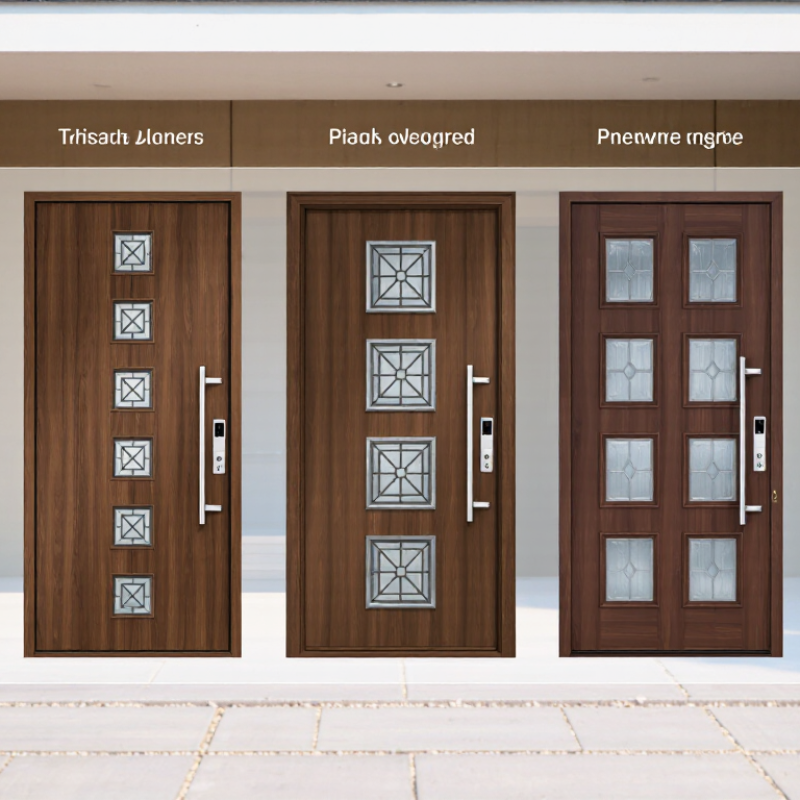
Mid-century modern front doors are defined by restraint, not decoration. Their forms usually feature clean lines, broad panels, and balanced proportions. A flat or gently geometric surface often creates the strongest visual effect. Natural wood grain adds warmth without making the entrance feel heavy.
Glass is another important feature. Frosted, textured, or narrow vertical panes can bring daylight into a dim hallway. Many authentic designs use glass beside the door or in a slim central section. The hardware should remain simple, with a straight lever or a small circular pull. I have found that oversized handles can quickly weaken the door’s quiet character.
Material choices also shape the period impression. Wood, muted metal, and carefully painted surfaces work well together. Warm walnut-like tones feel inviting, while olive, charcoal, or muted orange can create stronger contrast. The door should connect with the home’s roofline, siding, and nearby landscaping. A dramatic door may look attractive alone, but not every dramatic choice belongs on a mid-century exterior. I once preferred a highly decorative panel, then noticed it competed with the building’s simple windows. That mistake changed my approach. Measure the entry, study the daylight, and let function guide the final details. Safety glazing, durable finishes, and weather-resistant construction still matter, even when appearance leads the design.
Define the core features of a mid-century modern front door before comparing materials, glazing, proportions, hardware, and performance.
| Design Dimension | Core Mid-Century Modern Feature | Practical Selection Guidance | What to Check Before Buying | Common Trade-Off |
|---|---|---|---|---|
| Overall Form | Clean geometry, simple planes, and an uncluttered appearance. | Choose a flat or lightly detailed slab with a balanced rectangular proportion. Avoid excessive carving, ornate panels, and decorative scrollwork. | View the door from the street and compare its visual weight with the roofline, windows, porch, and surrounding facade. | A very minimal door can look plain if the entry lacks contrast, texture, or carefully selected hardware. |
| Material Expression | Natural materials and honest-looking finishes, especially wood grain or wood-like surfaces. | Use a clear or lightly tinted finish when the grain is intended to be a focal point. Select a durable exterior coating suitable for the local climate. | Confirm that the material is rated for exterior use and ask how often the finish needs cleaning, sealing, or refinishing. | Natural wood offers warmth and variation but generally requires more maintenance than a factory-finished composite or metal door. |
| Color Palette | Warm wood tones, earthy neutrals, muted greens, ochres, oranges, and occasional high-contrast colors. | Coordinate the door with the home’s existing siding, brick, stone, trim, and landscape rather than matching every element exactly. | Review color samples in both direct sunlight and shade because exterior light can significantly change how a finish appears. | Bold colors create a strong focal point but may require more frequent repainting or may be less adaptable to future exterior changes. |
| Glazing | Large, simple glass areas or narrow vertical and horizontal panes used to introduce light and visual connection. | Consider clear, frosted, textured, or low-visibility glass according to privacy needs and the entry’s orientation. | Check safety-glazing requirements, solar exposure, privacy from the street, and whether the glass assembly is sealed against air and water infiltration. | More glass can brighten the foyer but may reduce privacy, increase solar heat gain, and require more careful thermal performance. |
| Proportion and Scale | Strong horizontal or vertical emphasis with restrained detailing. | Match the door height and width to the facade. A tall, narrow glazed panel can emphasize verticality, while horizontal bands can reinforce a low, wide elevation. | Measure the rough opening, finished opening, sidelights, headroom, and threshold conditions before choosing a replacement unit. | An oversized statement door can improve presence but may require structural, trim, or weatherproofing modifications. |
| Sidelights and Transoms | Simple glazed side panels or transoms that extend the entry’s visual rhythm without adding ornament. | Use matching frame lines and glass types so the complete entry reads as one coordinated composition. | Verify available wall space, privacy requirements, structural support, and the total width of the door assembly. | Additional glazing increases daylight and apparent entry width but can raise cost and reduce privacy. |
| Hardware | Linear, cylindrical, or geometric hardware with a restrained profile. | Select a lever or pull that is comfortable to operate and visually consistent with the door’s geometry. Matte or satin finishes usually support a subdued appearance. | Check handing, backset, lock compatibility, accessibility, weather resistance, and the height of the pull or lever. | Minimal hardware supports the style but can be less visually prominent, so contrast may be needed for easy identification. |
| Thermal Performance | Modern performance concealed within a simple period-inspired appearance. | Compare insulated cores, glazing performance, weatherstripping, threshold design, and the complete door assembly rather than judging the slab alone. | Look for independently tested energy data where available and confirm suitability for the local climate zone. | Higher-performance construction may increase the initial price or limit the availability of certain thin profiles and glass layouts. |
| Weather Resistance | A crisp appearance supported by reliable sealing and durable exterior construction. | Choose finishes, overhangs, thresholds, and drainage details appropriate for rain, snow, humidity, sun, and wind exposure. | Inspect sill pans, corner seals, adjustable thresholds, compression weatherstripping, and the installation instructions. | Highly exposed entrances may need a more durable finish or protective overhang, which can affect the desired visual simplicity. |
| Security | Security features integrated without making the entry look heavy or ornate. | Prioritize a strong frame, secure hinges, a quality deadbolt or multipoint system where appropriate, and laminated or safety-rated glazing when needed. | Review the complete installed assembly, including strike reinforcement, hinge protection, lock alignment, and glass location. | Extra security components can add thickness, hardware visibility, or installation complexity. |
| Accessibility and Use | Simple operation and clear circulation around the entry. | Allow enough landing space for approach, opening, and maneuvering. Choose hardware that can be operated without tight grasping or twisting where accessibility is a priority. | Check local accessibility rules, threshold height, clear opening width, door swing, and lighting at the handle. | Wider clearances or automatic-opening options may require more space and a larger budget. |
| Lighting and Addressing | Functional lighting and house numbers with simple geometric forms. | Use low-profile sconces, concealed lighting, or a clean overhead fixture. Position numbers where they are visible from the street without interrupting the door composition. | Confirm nighttime visibility, glare control, weather protection, wiring access, and local requirements for address identification. | Integrated lighting creates a polished result but can make future maintenance or fixture replacement more involved. |
| Architectural Compatibility | The door relates to the home’s existing lines, materials, and proportions instead of appearing stylistically isolated. | Repeat one or two cues from the facade, such as a wood tone, window grid, horizontal line, or metal finish. | Compare the proposed door with nearby windows, garage doors, railings, and exterior light fixtures before finalizing the design. | A historically accurate-looking door may not provide the performance or maintenance profile required by a contemporary home. |
| Installation and Maintenance | Precise alignment, consistent reveals, and a finish that remains visually simple over time. | Use qualified installation and follow the manufacturer’s care instructions for cleaning, lubrication, coating maintenance, and seasonal inspection. | Confirm installation tolerances, warranty conditions, replacement-part availability, and the maintenance schedule for the selected material. | Professional installation adds upfront cost but helps protect weather performance, security, and long-term appearance. |
Selection priority: confirm opening measurements, local code requirements, weather exposure, security, and energy performance first; then refine the door’s color, glazing, hardware, and proportions to achieve a cohesive mid-century modern entry.
Clean lines, broad panels, balanced proportions, and restrained decoration define the style. Natural wood grain adds warmth. Simple forms work best.
Narrow vertical or textured glass can bring daylight into a dark hallway. Choose privacy glazing when the entry faces a walkway. Avoid making the doorway feel exposed.
Wood feels warm and authentic, but it needs regular sealing. Fiberglass resists swelling and can imitate wood grain. Steel looks crisp and slim, but scratches need attention.
Study the roofline, windows, siding, porch posts, and nearby landscaping. The door should feel connected to the facade. A dramatic design may look attractive alone, yet still feel misplaced.
Measure the opening, wall, sidelights, and transom before selecting a design. Tape the proposed outline on the wall. Stand several steps away and check the proportions.
Walnut-like tones create warmth, while olive, charcoal, and muted orange add contrast. Test samples outdoors because brick and afternoon light can change the color.
Choose a straight lever, cylindrical knob, or modest pull. Corrosion-resistant metal suits coastal areas. Oversized handles can weaken the door’s quiet character.
Look for safety glazing, weather-resistant construction, durable finishes, and good insulation. Check performance labels before ordering. Appearance matters, but daily maintenance matters too.
It can, but very dark finishes may make the entrance feel smaller. I once preferred that look, then changed my mind after seeing the shadows.
Not necessarily. Matching the hardware with a nearby light can look organized, but perfect coordination may feel staged. Slightly imperfect wood grain can appear more honest.
Choosing Mid Century Modern Front Doors begins with understanding their defining character: clean lines, balanced geometry, natural materials, generous glazing, and a simple yet distinctive appearance. Before selecting a design, consider your home’s architectural style, the scale of the façade, and the proportions of the entryway so the door feels integrated rather than oversized or understated. Pay attention to material options, glass placement, color, and hardware, as each element can influence both the visual balance and the welcoming atmosphere of the entrance.
A successful choice should also perform well over time. Compare available doors for security, energy efficiency, weather resistance, durability, and maintenance requirements. Solid construction, suitable insulation, and well-fitted glazing can improve comfort and protection, while durable finishes may reduce upkeep. Finally, coordinate the door with surrounding exterior details such as siding, trim, lighting, landscaping, and walkways. The best design combines authentic mid-century character with practical performance and a cohesive relationship to the entire home.

