Choosing a Double Glazed Door supplier in China involves more than comparing catalog prices. Buyers should examine glass specifications, frame materials, hardware options, production capacity, and quality-control procedures. A well-built door can help reduce heat transfer and outside noise, but performance depends on the complete assembly, installation, and local conditions. Details matter.
Supplier claims deserve careful review. Ask for current product data, available test reports, drawings, and clear explanations of glass thickness, spacer type, and seal construction. Check how the factory handles sample approval, packaging, lead times, and replacement parts. A showroom sample may look solid, yet production consistency is what matters. That can be hard to judge from a brochure.
China has manufacturers serving residential, commercial, and project-based markets, with different levels of customization and technical support. Some focus on standard sizes; others can adapt dimensions, finishes, and opening styles to project requirements. Compare suppliers against the same written specification, and confirm which services are included in each quotation. Freight, installation guidance, and after-sales support can change the real cost. Not every low quote is a bargain.
This guide explores how to assess China’s Double Glazed Door manufacturers and suppliers, what questions to ask, and which product details deserve close attention. It does not assume one company suits every project. The right choice depends on climate, building design, budget, and the evidence a supplier can provide. Verify the details before committing.
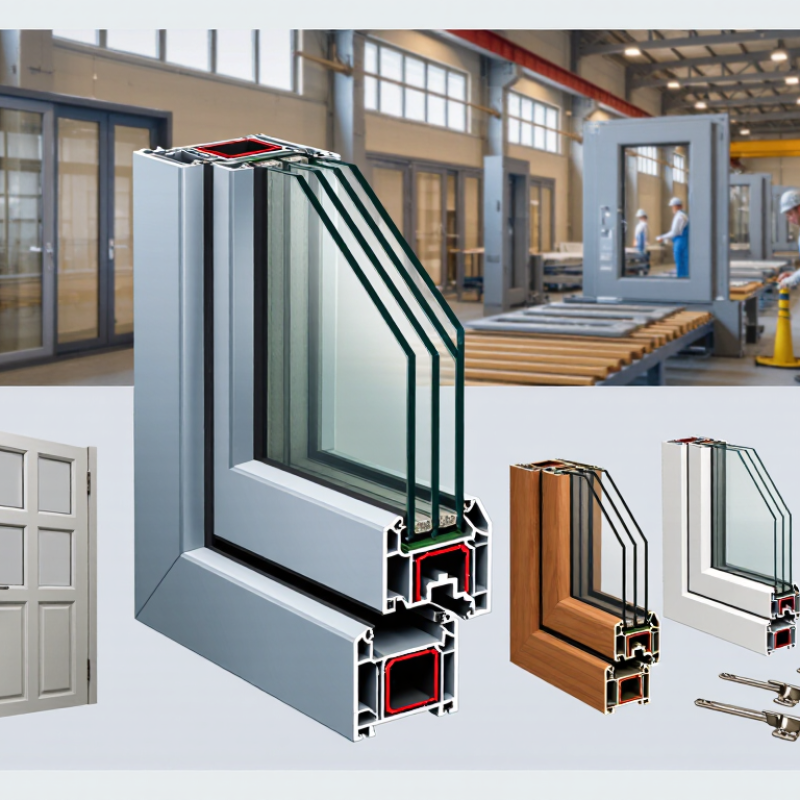
Double-glazed doors contain two panes of glass separated by a sealed air or gas-filled gap. The panes slow heat transfer, while the sealed edge helps limit drafts and condensation. In winter, the inner pane generally stays warmer than single glazing. In summer, suitable glass coatings can reduce unwanted solar heat. Not magic. Frame design and installation still matter.
The International Energy Agency’s 2023 Global Status Report for Buildings and Construction estimates that buildings use about 30% of global final energy and produce 26% of energy-related emissions. These figures describe the whole building sector, not doors alone, but they show why choosing efficient components matters. When comparing specifications, check the U-factor, which indicates heat flow, and the solar heat gain coefficient. The U.S. National Fenestration Rating Council provides standardized ratings for these properties. A strong glass specification can still underperform if the frame leaks or the door is poorly fitted.
Tips: Ask for rated performance data for the complete door, not just the glass. Check seals and frame joints, too. A quick showroom glance cannot reveal installation quality.
Approximate center-of-glass U-factors for common glazing configurations (W/m²·K). Lower values indicate better insulation.
A sealed air or gas-filled cavity helps slow heat flow through double glazing. These are indicative glazing values, not whole-door ratings; the frame, seals, spacer, and installation also affect a door’s overall thermal performance.
Chinese double glazed door manufacturers can appeal to buyers seeking flexible production and access to established glass and aluminum supply chains. Many factories can adjust frame colors, opening styles, hardware, and glass specifications for different building projects. This flexibility helps when standard catalog sizes do not fit an opening. It also makes clear drawings and written specifications essential. Ask how the supplier checks glass thickness, frame dimensions, seals, and finished-door operation before shipment. Details matter.
A capable supplier should explain its production steps and provide relevant test documents for the specific door configuration, rather than relying on general claims. Request sample corners or hardware when appearance and fit are critical. Confirm packaging details too: glass needs secure edge protection, while frames should be shielded from scratches during transit. Factory visits or live video inspections can help clarify how quality checks are performed. Still, distance may complicate communication, and a lower quotation can exclude important components. Compare itemized offers, lead times, warranty terms, and replacement-part arrangements. Time zones can slow answers. That takes work. Clear records and agreed inspection points reduce avoidable surprises, though no checklist can replace careful follow-up.
In China, “double glazed” describes the glass unit, not one specific door style. Common options include sliding, hinged, French, folding, and tilt-and-turn designs. Each can use two panes separated by a sealed gap, though frame materials and hardware vary. The best fit depends on the opening, room layout, and how often the door will be used.
Sliding double glazed doors suit balconies and patios where a swinging panel would take up space. Check that the track drains properly and that the rollers move smoothly under the panel’s weight. Hinged doors open inward or outward and can provide a tighter perimeter seal when correctly installed. French doors use two hinged leaves, creating a broad opening. They need enough clear floor space. Folding systems gather several panels to one side, but their many joints make precise alignment important.
Tilt-and-turn styles are available from some suppliers and allow ventilation through a tilted sash or access through a full opening. Ask for the glass build-up, frame depth, hardware specification, and tested performance figures, rather than relying on the word “double glazed” alone. Small details matter. A wide sliding panel may feel convenient, yet become awkward if the track is poorly supported. It is also worth checking measurements on site; drawings do not always capture uneven walls or finished floor levels.
How to Evaluate China’s Double Glazed Door Manufacturers
A reliable evaluation begins with the door’s construction, not a polished catalogue. Ask for glass specifications, frame material, profile thickness, and clear details about the insulating glass unit. The gap between panes, spacer type, and edge sealing can affect insulation and condensation risk. Request product drawings and test reports for the exact model you plan to buy. A generic certificate may not describe your configuration.
Tips: Ask how the factory checks glass dimensions, sealant application, and frame alignment. Request close-up photos of corner joints and drainage paths. Confirm hardware options, packaging protection, lead time, and warranty terms in writing. If possible, review a sample or arrange an independent inspection before shipment. Small inconsistencies matter.
Compare suppliers using the same opening size and performance requirements. Check whether they can explain installation clearances and provide practical guidance for your project’s climate. Ask for recent project references, then verify that the doors resemble your intended design. A low quote can hide thinner profiles or limited after-sales support. It is easy to focus too much on price; I would also check how clearly the supplier answers technical questions. Even a capable factory may communicate unevenly, so record agreed details and confirm revisions before production.
Supplier evaluation checklist — suggested weights are buyer-selected and are not rankings or claims about specific manufacturers.
| Evaluation dimension | Suggested weight | What to check | Evidence to request |
|---|---|---|---|
| Whole-door performance | 25% | Compare thermal transmittance (U-value), air permeability, water tightness, and wind-load performance for the complete door assembly. Lower U-values indicate less heat transfer; confirm the reported value applies to the specified door configuration. | Test reports identifying the tested door size, frame, glazing, hardware, and test method. Relevant European references may include EN 14351-1, EN 12207, EN 12208, and EN 12210, where applicable to the project and market. |
| Insulating glass unit (IGU) | 15% | Verify pane thickness, cavity width, spacer type, edge seal, gas fill if specified, and safety-glass requirements. Double glazing describes two panes separated by a sealed cavity; it does not by itself establish a particular energy rating. | IGU drawings and specifications, glass make-up, applicable test or conformity documents, and production traceability. EN 1279 is a relevant European standards series for insulating glass units. |
| Frame, finish, and durability | 15% | Assess frame material and profile, drainage, weather seals, corrosion protection, coating specification, and suitability for the intended climate and exposure. | Material and finish specifications, profile cross-sections, coating test records where relevant, maintenance instructions, and reference samples approved for the order. |
| Manufacturing quality system | 15% | Review incoming-material checks, in-process inspection, final inspection, nonconformance handling, and product traceability. A management-system certificate does not replace product testing. | Current ISO 9001 certificate, if claimed, with its scope and issuing certification body; inspection plans; sample inspection records; and a factory audit or live production review. |
| Safety and market compliance | 10% | Confirm requirements for safety glazing, impact resistance, accessibility, fire performance, and product documentation according to the destination market and building use. | Project-specific compliance matrix and supporting reports. EN 12150 covers thermally toughened soda lime silicate safety glass; EN 12600 describes a pendulum impact test and classification for flat glass. |
| Configuration and customization | 8% | Check available opening styles, dimensions, colors, hardware, thresholds, screens, and glazing options. Confirm limits for oversized or unusual configurations. | Approved shop drawings, hardware schedule, finish samples, dimensional tolerances, and a written record of any design deviations. |
| Lead time and delivery planning | 5% | Evaluate the quoted production schedule, packaging method, shipping terms, shipment inspection, and the supplier’s process for communicating delays. | A written schedule showing approval, production, inspection, and dispatch milestones; packing details; and clearly stated Incoterms® 2020 delivery terms, if used. |
| Warranty and after-sales support | 4% | Compare coverage, exclusions, claim procedure, replacement-part availability, and responsibility for transport or installation-related issues. | Written warranty terms, spare-parts list, service contact process, and a sample defect or claims procedure. |
| Communication and documentation | 3% | Check whether technical questions receive clear, consistent answers and whether specifications, revisions, and approvals are documented before production. | A completed technical questionnaire, controlled drawing revisions, written quotation, and named contacts for sales, engineering, and quality matters. |
| Total suggested weighting | 100% | Score each shortlisted supplier against the same project specification and verified evidence. Treat missing or configuration-mismatched test reports as unverified, not as a pass. | |
Before choosing a supplier, define the door’s size, opening direction, frame material, glass build-up, and hardware requirements. Ask for drawings that show frame depth, glazing details, and installation clearances. A sample can reveal finish quality, seal alignment, and how smoothly the handle operates. Check whether quoted performance figures apply to the complete door, not just the glass. Small details matter.
Tips: Request recent test documents, a written warranty, and a clear list of included components. Confirm packaging, lead time, payment milestones, and how damaged goods are handled. Keep approved drawings and color samples on file.
Compare quotations line by line; a lower price may exclude locks, screens, or installation accessories. Ask how the supplier checks dimensions and inspects finished units before shipment. For a large order, agree on inspection points and tolerances in writing. Also confirm that the doors suit the project’s climate and exposure, since coastal wind, heavy rain, and strong sun create different demands. One point buyers sometimes miss: factory drawings can look precise, yet site openings may vary. Verify measurements before production, and leave time for corrections.
It has two glass panes with a sealed gap between them. The gap contains air or gas and slows heat transfer.
In winter, the inner pane generally stays warmer than single glazing. In summer, suitable coatings can reduce unwanted solar heat. Not magic.
Check the U-factor and solar heat gain coefficient. Ask for ratings for the complete door, not only its glass.
Leaks around frames or poor fitting can reduce performance. A glass-only specification may look reassuring, but it misses important details.
Some can adjust frame colors, opening styles, hardware, and glass specifications. Clear drawings help prevent mismatched sizes and finishes.
Ask how the supplier checks glass thickness, frame dimensions, seals, and door operation. Request documents for your specific configuration.
Request sample corners or hardware when fit and appearance matter. A factory visit or live video inspection can clarify quality checks. Still, follow-up matters.
Review itemized costs, lead times, warranty terms, packaging, and replacement-part arrangements. A low quotation may exclude needed components. Check the fine print.
This guide explains what a Double Glazed Door is and how two panes of glass, separated by an insulating space, can help reduce heat transfer and outside noise. It introduces the main door styles available from Chinese manufacturers and suppliers, including sliding, hinged, and folding designs, so buyers can compare options for different buildings and uses.
The article also outlines how to assess potential suppliers by reviewing product specifications, materials, manufacturing capabilities, quality checks, and communication practices. Before placing an order, buyers should confirm dimensions, glass and frame choices, hardware, finish, packaging, delivery schedule, and after-sales support. A clear understanding of these details can make it easier to compare quotations, set expectations, and choose a suitable supplier for the project.

